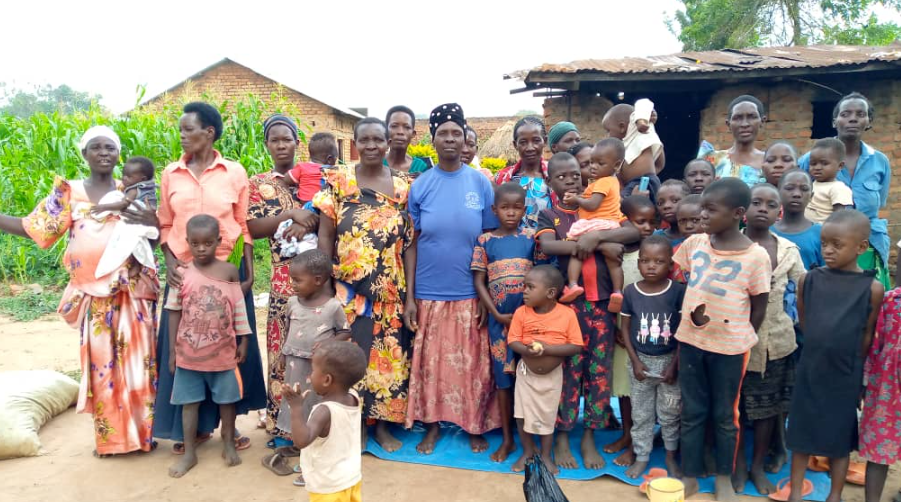
GVC Community Development · Eastern Uganda

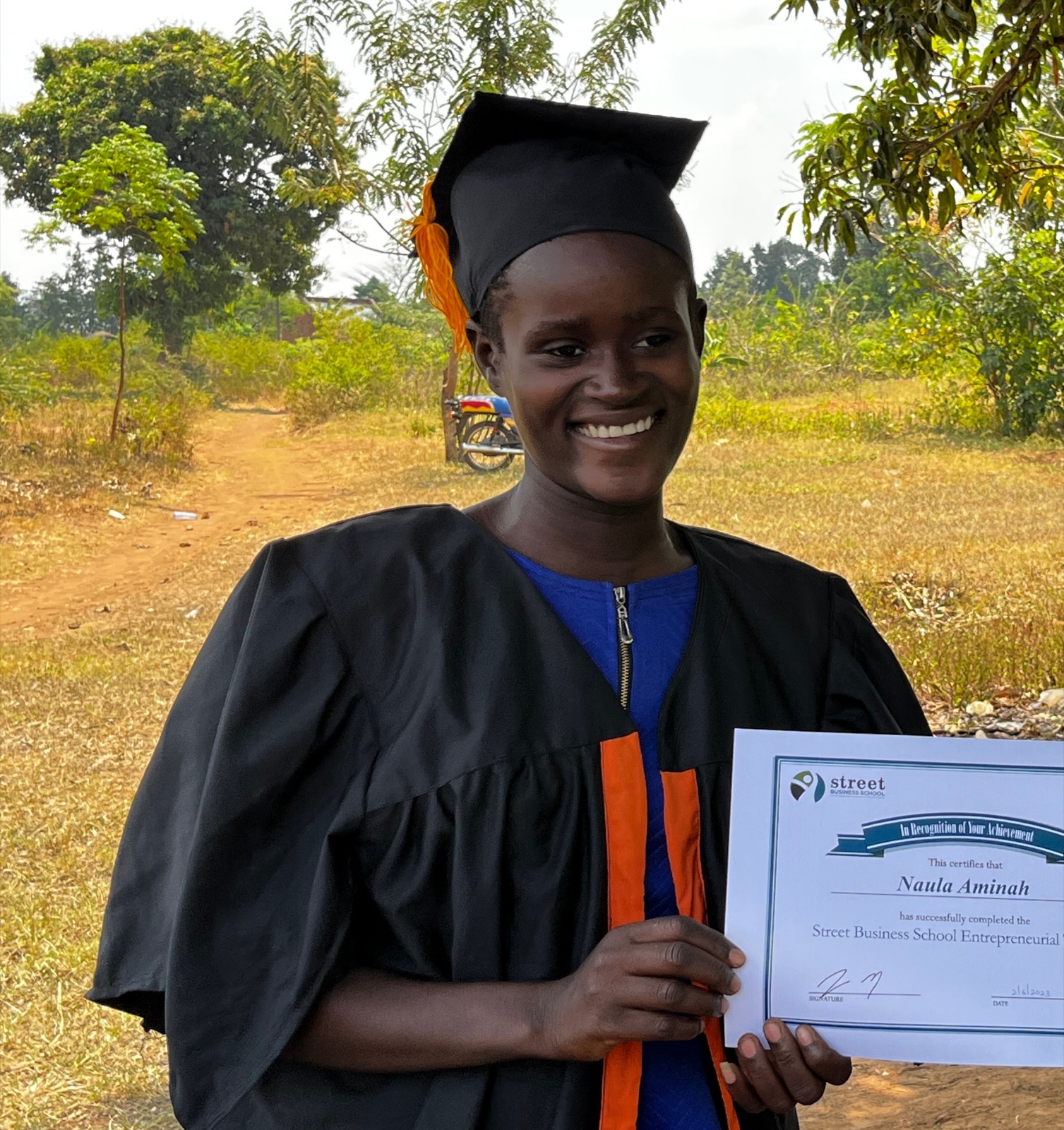
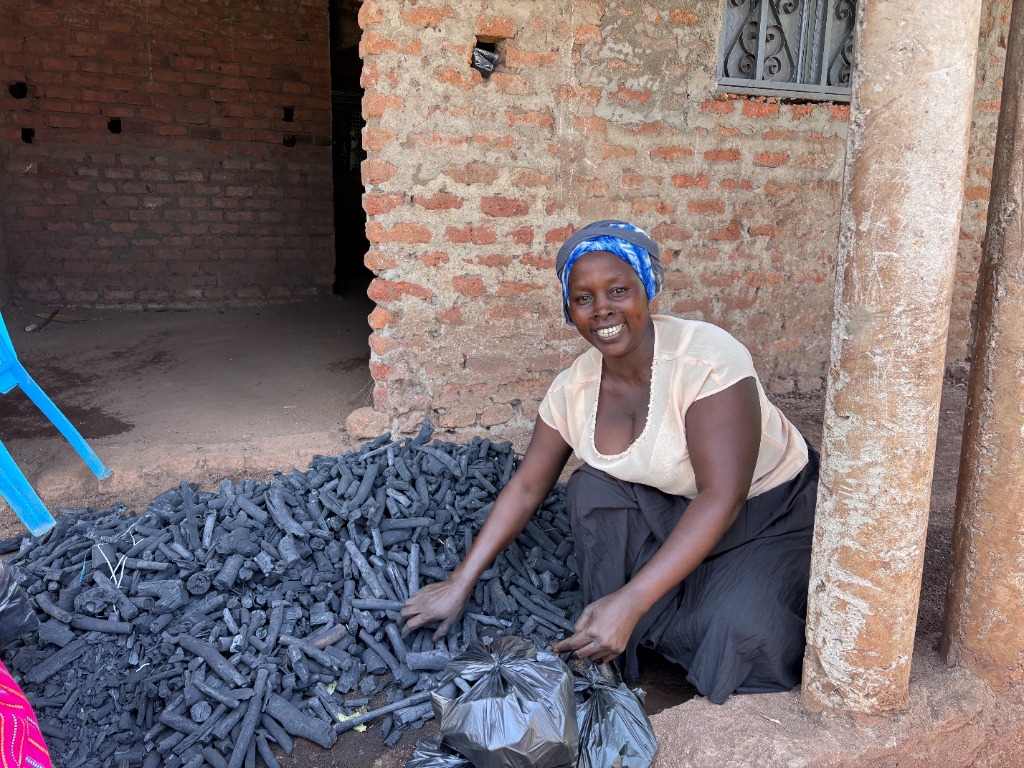
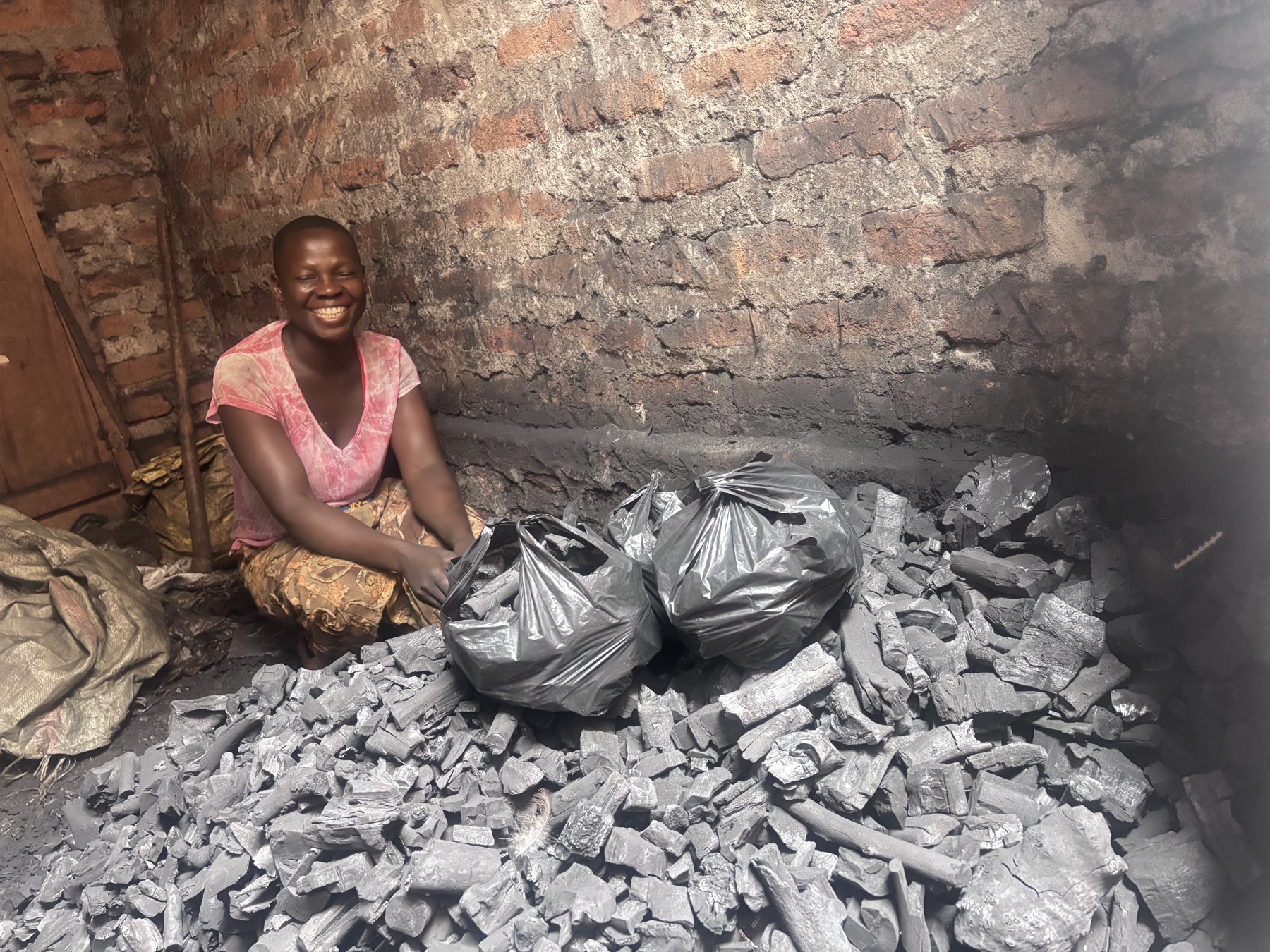
She started her charcoal micro-enterprise three weeks ago.

Aminah hadn't run a micro-enterprise before. Now she has one. We teach rural women pricing, record-keeping, and market research so they can build stable micro-enterprises, pay school fees, and lead.

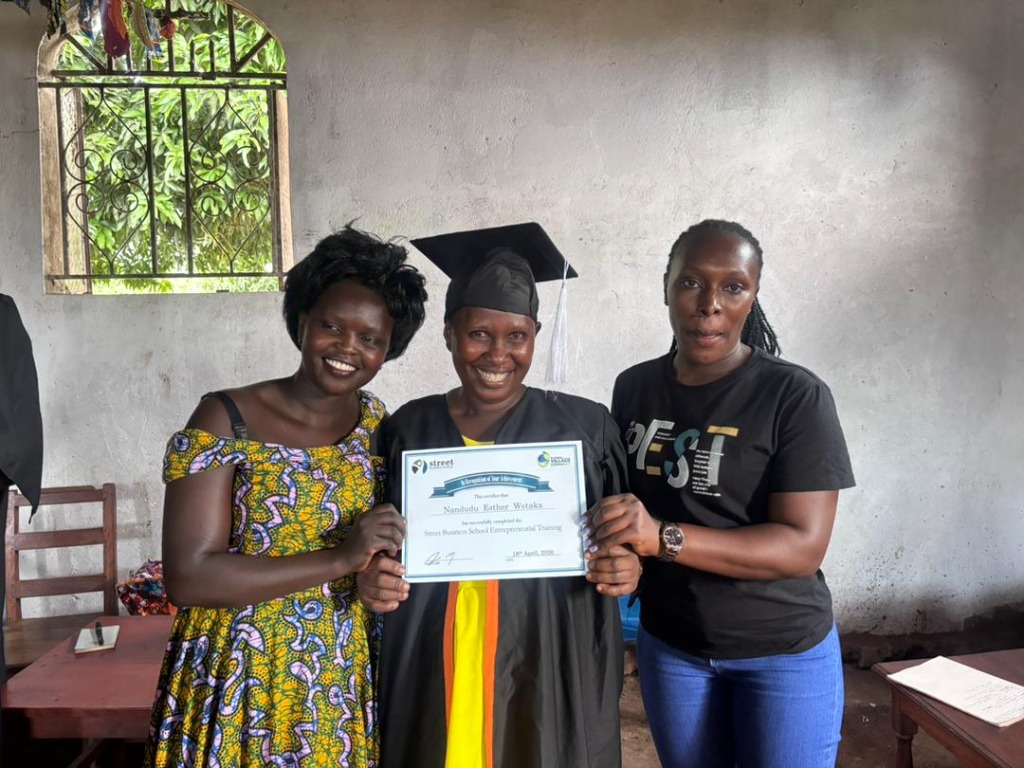
Naula Aminah smiling in graduation cap and gown, holding her Street Business School certificate alongside a GVC team member in Eastern Uganda.
79% of participants are women
6 average dependants supported
$0.18 average daily entry income
+157% average income growth at 12 mo
Why Community Development

The most sustainable path out of poverty is the one you build yourself.

Uganda is one of the poorest countries in the world. In the rural villages where we work, many families can't reliably afford food, school fees, or medicine. Aid alone can't fix that — but skills can.

Our training is intentionally designed to succeed without providing start-up capital. Participants learn to spot opportunity in their own community, start small with what they already have, and reinvest their profits as they grow. Many of our graduates launch their first business with under $10.

Sustainable change requires will, knowledge, mindset, and incremental growth.

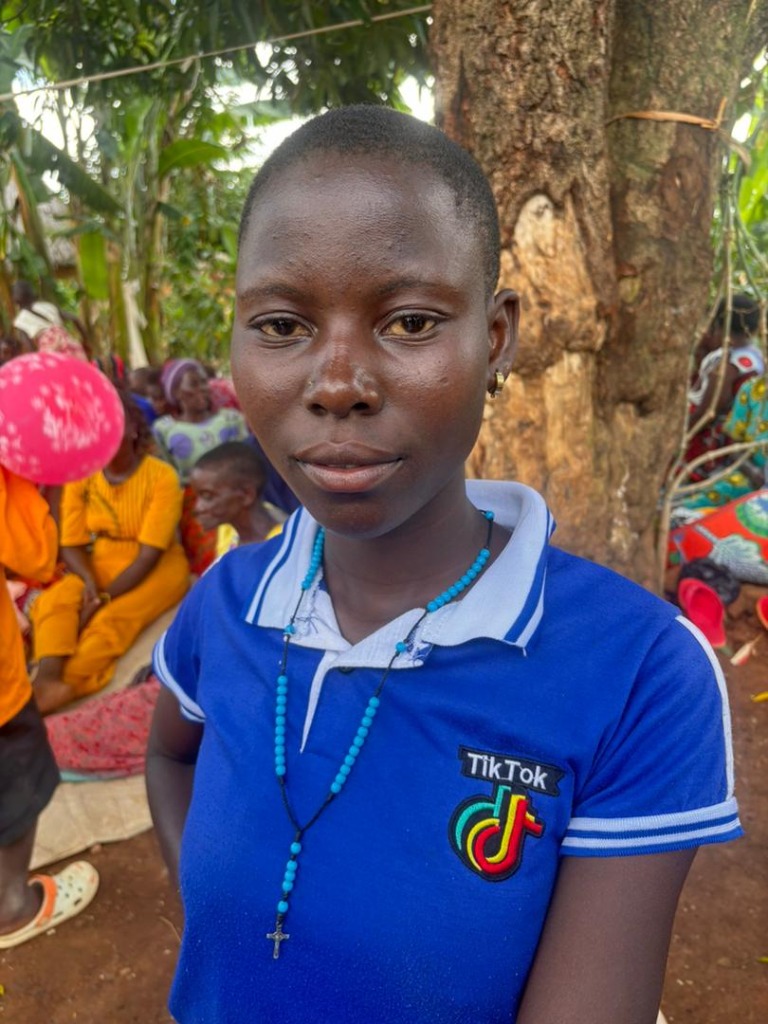
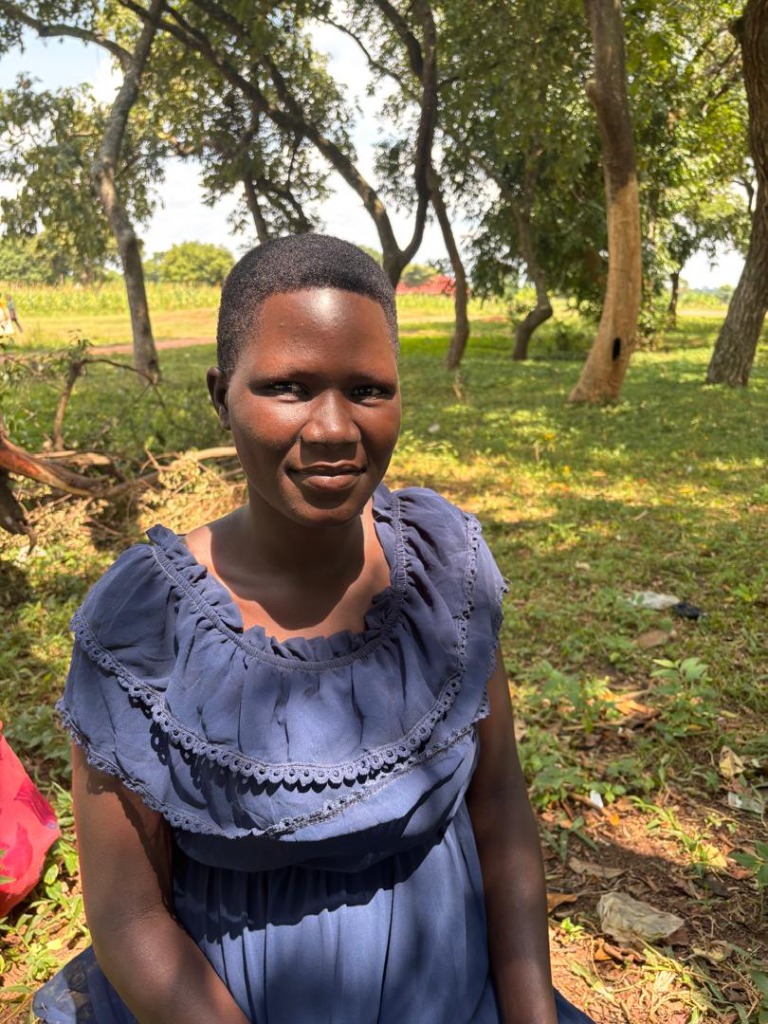
A young woman standing proudly, representing GVC's community development philosophy in rural Uganda
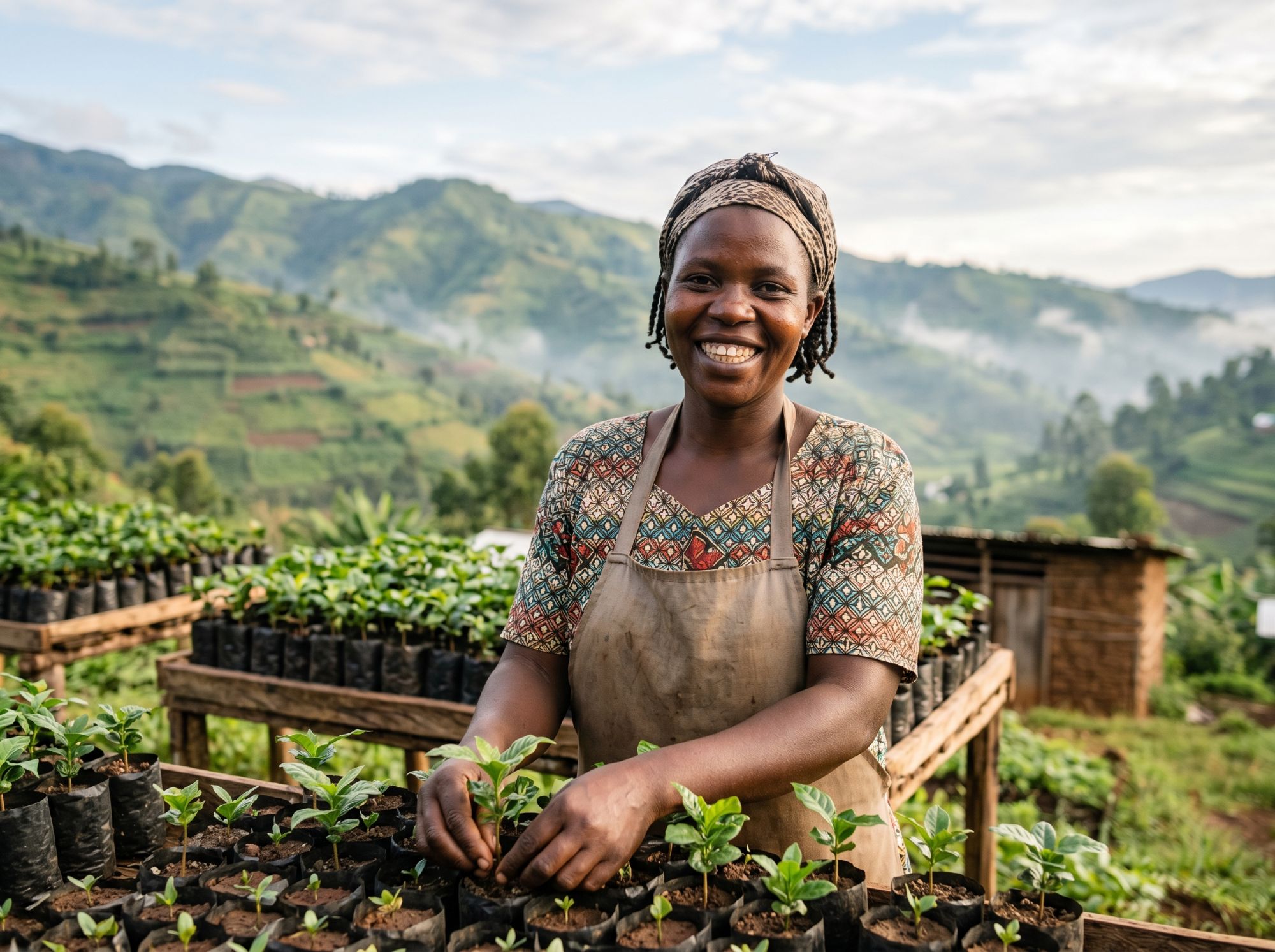
Woman smiling at a seedling nursery with rows of coffee seedlings in black pots, green mountain valleys stretching behind her in Eastern Uganda
Bududa cohort · 2026

Beatrice Nasaka

33 years old · 4 children · Bududa

"I want to start a small-scale nursery for coffee seedlings."

School fees are what brought Beatrice through the door. Every term they come due: the same amount, the same impossible timing. A coffee seedling nursery will not solve that overnight. But it is a business that grows with the land she already has, in a crop everyone in Bududa knows how to grow. She did not need someone to give her an idea. She needed someone to show her the numbers.

Who Shows Up

The people in the room.

Every cohort looks different. But spend a morning in the classroom and you start to see the pattern. Most of the people here are women who support five or six dependants, managing the gap between survival and stability.

Sarah Nabukwasi
SN
GVC Trainee

Sarah Nabukwasi

Every harvest, her cassava rots because buyers are not lined up and she has not had the training to process it into flour. She came to learn value addition and stop watching her work disappear.

Juliet Nandutu
JN
GVC Trainee

Juliet Nandutu

She has carried bricks and dug fields for thirty years. At 50, the work is getting harder. What she wants is what she calls a sitting business: a small shop she can run as her strength fades.

Anna Mukhaye
AM
GVC Trainee

Anna Mukhaye

For years she has worked on other people's farms. Planting other people's seeds. Taking home whatever she is given. She came because she wants a vegetable stall of her own.

These three women are from one cohort, in one village. Across 21 communities, 1,162 graduates have followed the same arc: showing up with almost nothing, leaving with a plan they built themselves.

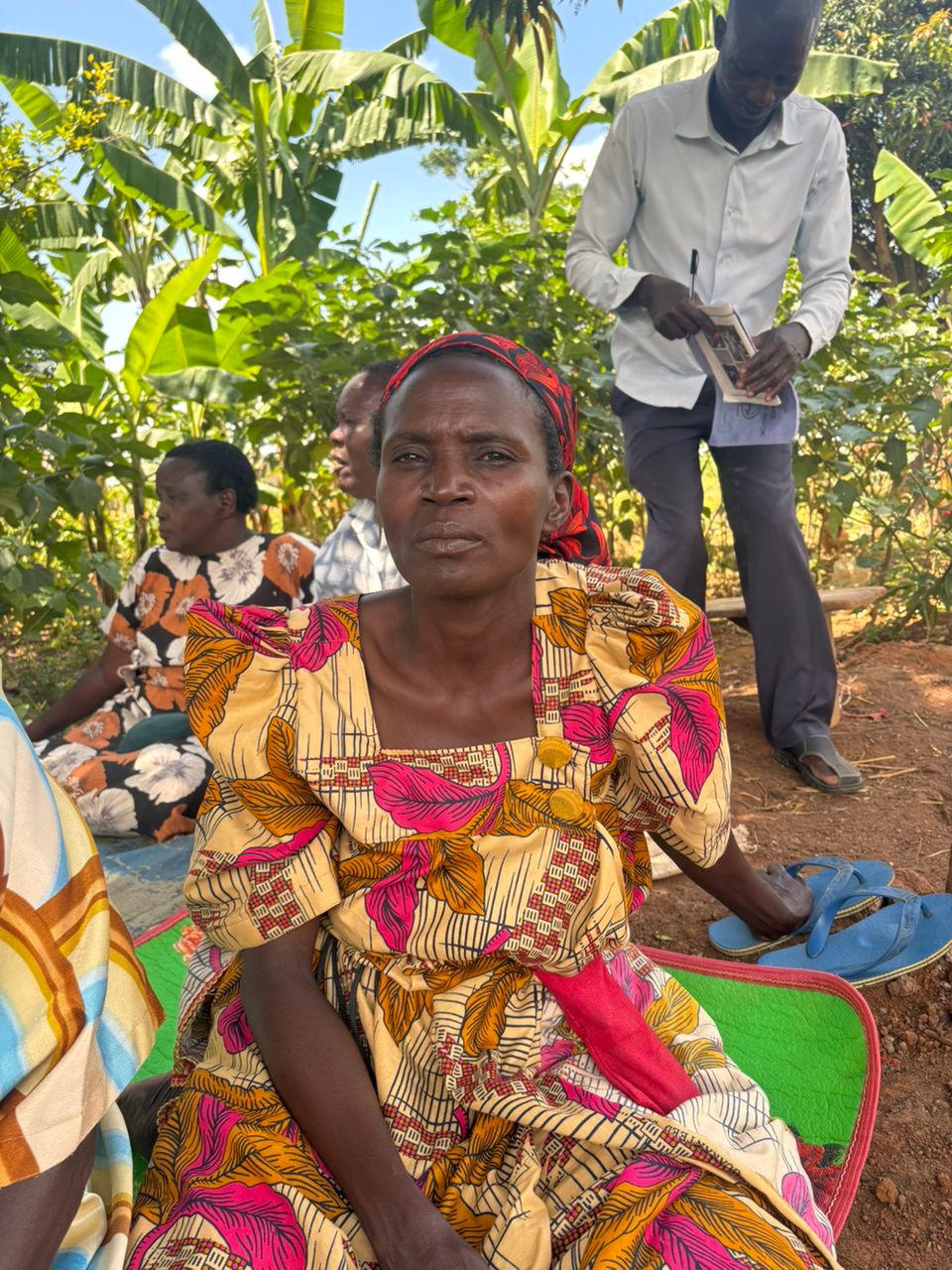
Florence Namakula holding her graduation certificate

"She wanted to be the reason her family keeps eating."

Bududa Cohort Program
Bududa cohort · 2026

Florence Namakula

45 years old · 5 children · Bududa

"I want to become an independent woman who can support her family during the dry season."

In rural Uganda, the dry season is not an inconvenience. It is the months when the market empties, the harvest money runs out, and the gap between what a family needs and what it has becomes something you can measure in meals. Florence has five children. She has been managing that gap her whole life. What she is looking for is a business that does not stop when the rains do.

Proven Outcomes

The numbers behind the program.

Every cohort is measured at baseline, graduation, and again at 3, 6, and 12 months. Here is what 692 graduates show us, on average, demonstrating consistent upward growth.

Baseline
$2.61 per day, before training
At Graduation
$2.28 small dip, reinvesting
3 Months Later
$4.16 +59% from baseline
6 Months Later
$5.03 +93% from baseline
1 Year Later
$6.71 +157% from baseline

GVC Community Development data, 2022–2024 cohorts (n = 692). Trailing baseline figures represent average household self-reported daily intake.

Justine thinking about her business layout

"Every term-start is a crisis."

Budgeting & Fees Planning
Budadiri cohort · 2026

Namataka Justine

34 years old · 3 children · Budadiri

"I came to training to fix the math. Not forever. Just enough that next term is not a crisis anymore."

That is how she describes it. Not poverty. Not hardship. A crisis: specific, recurring, every three months, like clockwork. School fees in Uganda fall due at the start of each term, a major factor in GVC's Keep Girls in School initiative. Justine came to training to fix the math.

What A Dollar Buys

Every dollar crossed is a threshold.

Most of our participants start below $3 a day. At that level, each dollar gained changes something tangible: a meal that happens, a term that gets paid, a doctor's visit that isn't postponed.

$1 per day

Food security. The household eats every day.

$2 per day

School fees get paid. Children stay in class.

$3 per day

Healthcare and the ability to save. A cushion exists.

$6.71 per day

Where our graduates are one year after training. All three thresholds crossed.

GVC Graduate Average (1 Year Later)
From Training to Income

Three weeks. That is how quickly it moved.

Most of the women who come to our training in rural Uganda have never been short on effort. They have been short on everything else: the pricing formula, the market research, and the record-keeping that tells you whether a business is growing or just busy.

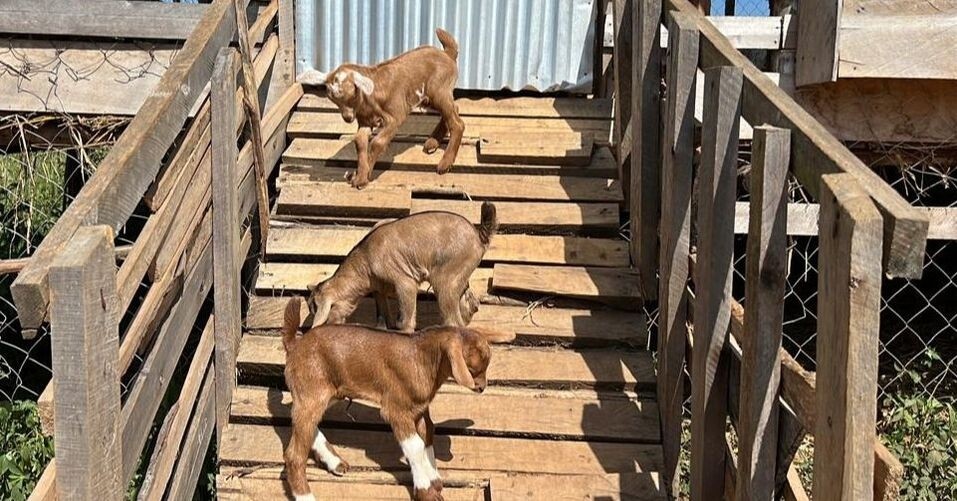
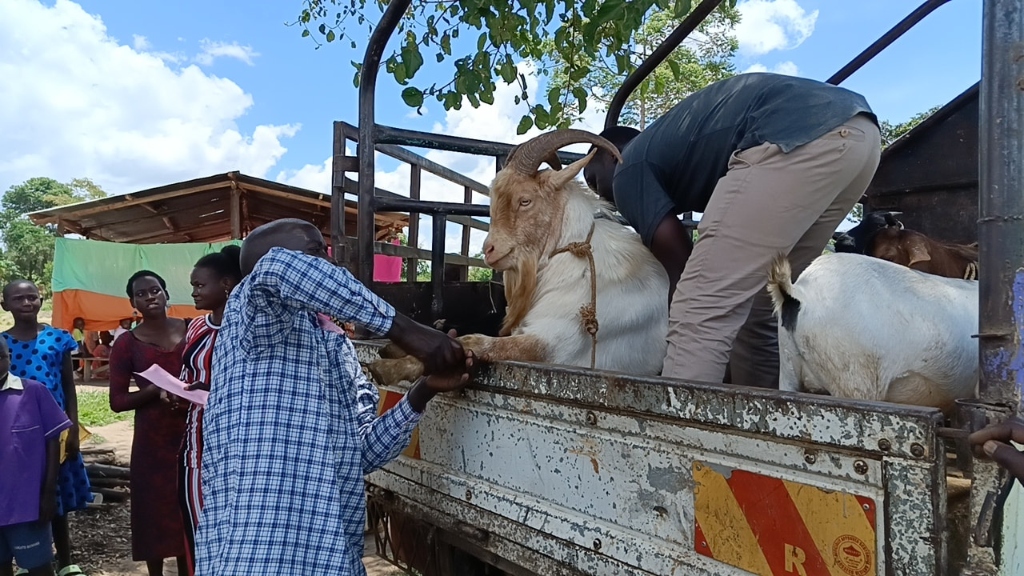
That is what we teach. The rest, they bring themselves. The training runs inside communities, not away from them: eight modules over eight weeks, delivered by local trainers who speak the language and know the economy. In many villages, this training runs hand-in-hand with our Give a Goat program, providing families with both the assets and the business skills to escape systemic poverty.

"I started my charcoal business and it is now three weeks old. I am happy because I get money from my business." — Aminah, GVC Community Development graduate

Naula Aminah smiling in graduation cap and gown after completing GVC community development training
Naula Aminah after completing Street Business School training.
Catherine counting charcoal sales

"She wants stop asking her husband for every coin."

Financial Agency & Leadership
Budadiri cohort · 2026

Catherine Mukhaye

45 years old · 5 children · Budadiri

"Catherine came to training for one thing: to have a business of her own and money that belongs to her."

Financial dependence is quiet. It does not make the news. But it shapes every decision a woman makes, every day. Catherine came to training to stop asking her husband for every small coin and gain true agency.

Graduate Stories

Meet some of the community members you are supporting.

Each of these women joined a GVC cohort, finished all eight modules, and built a business from a starting capital of less than $10.

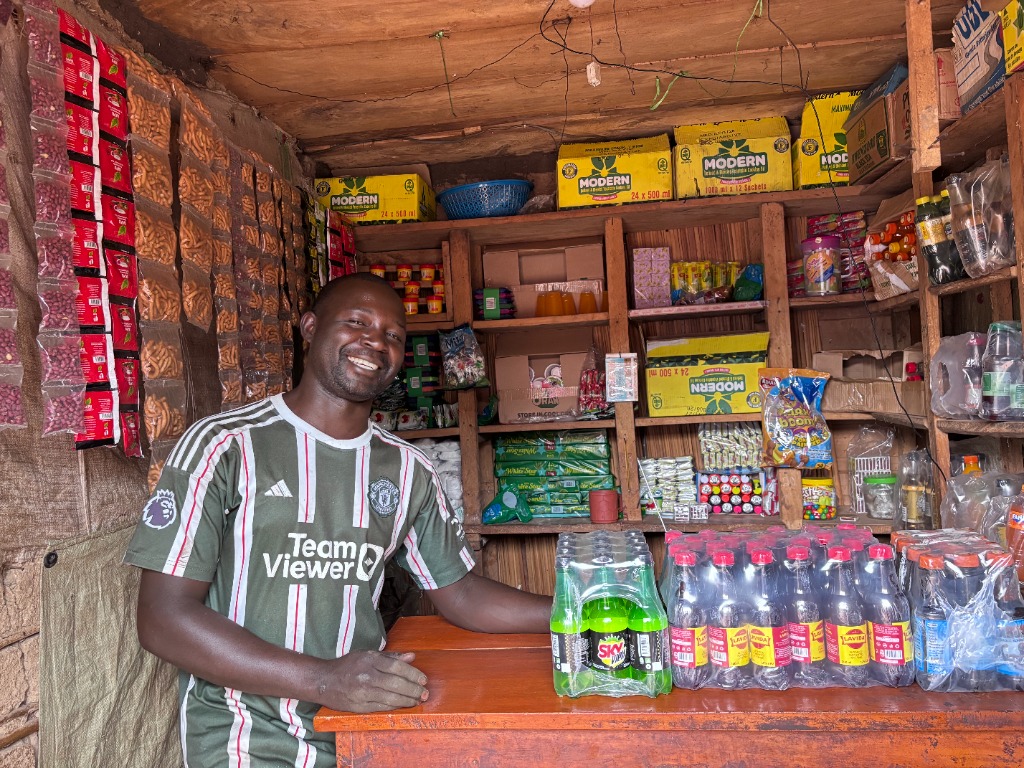
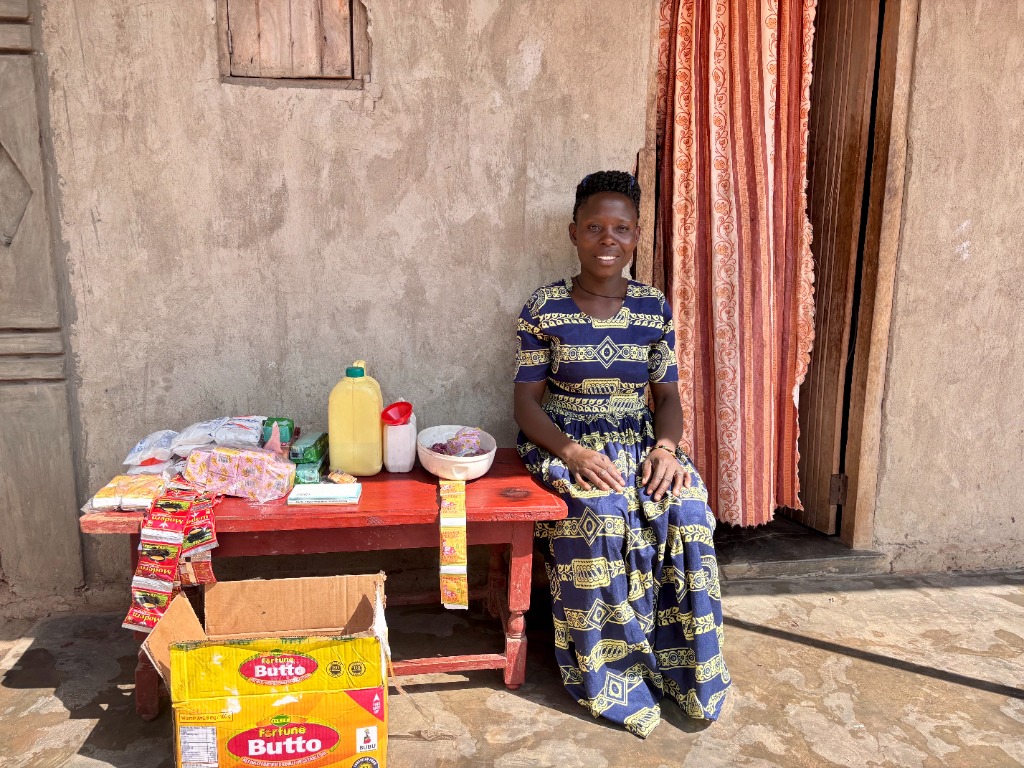
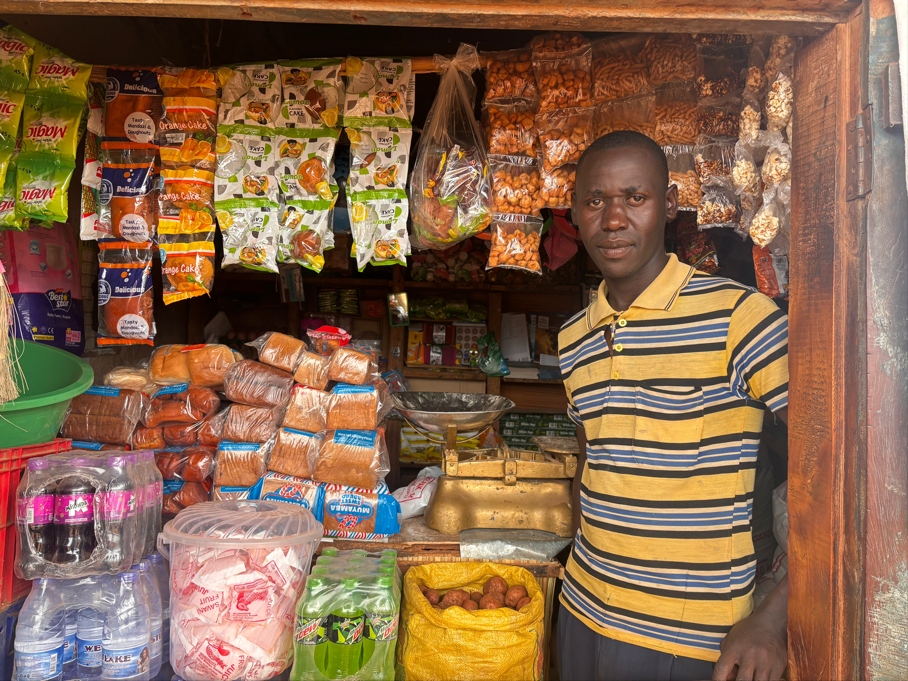
Yonga Betty Village Shop
Yonga Betty, 43

Namutumba District · Mother of 5

"The same people who once laughed at me are now my loyal customers."

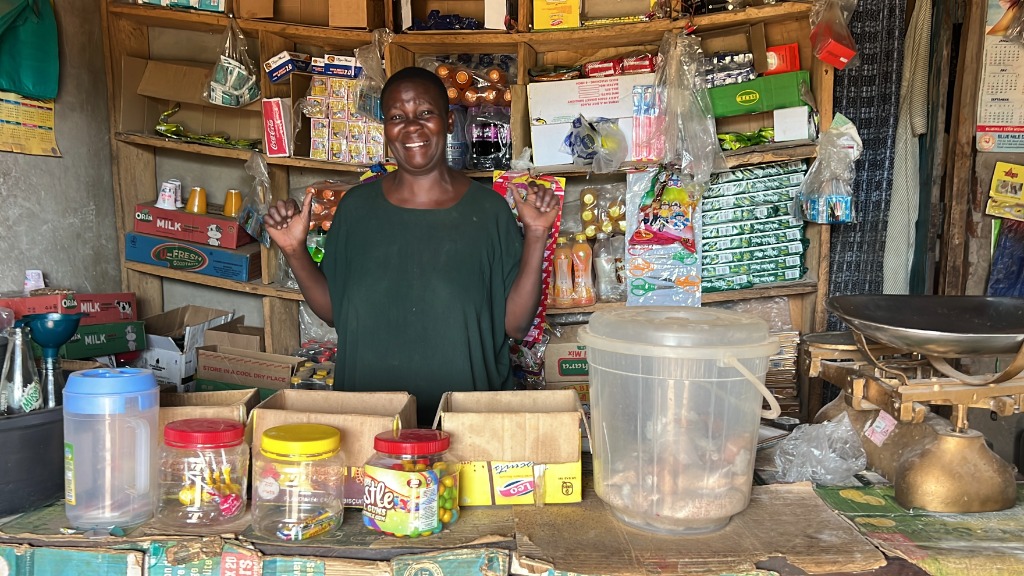
Betty's shop was failing before the training. She learned to manage inventory, keep records, and separate profit from capital. Her shelves are stocked and her kids are in school.

Daily income now: $4.20
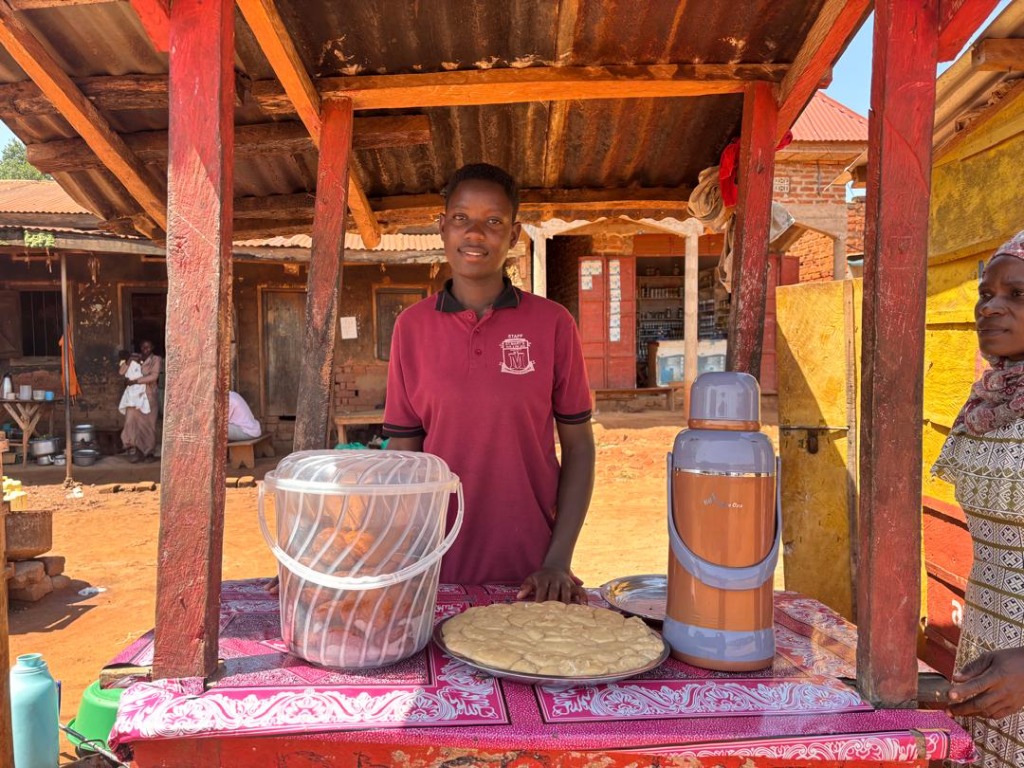
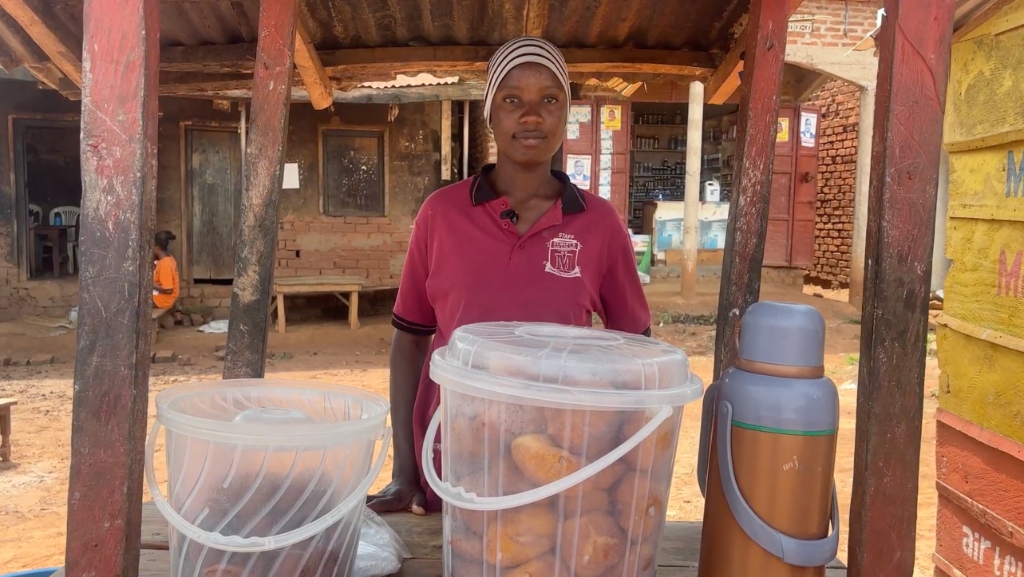
Dorotia Namutumba Bread Seller

Dorotia Namutumba

Namutumba District · Mother of 5

"The teachings from our coaches reignited my hope."

With no income and five children to support, Dorotia sold her goat to raise capital, rented space on a trader's veranda, and started selling bread. She focused on quality and customer relationships — and her business grew.

Daily income now: $2.85
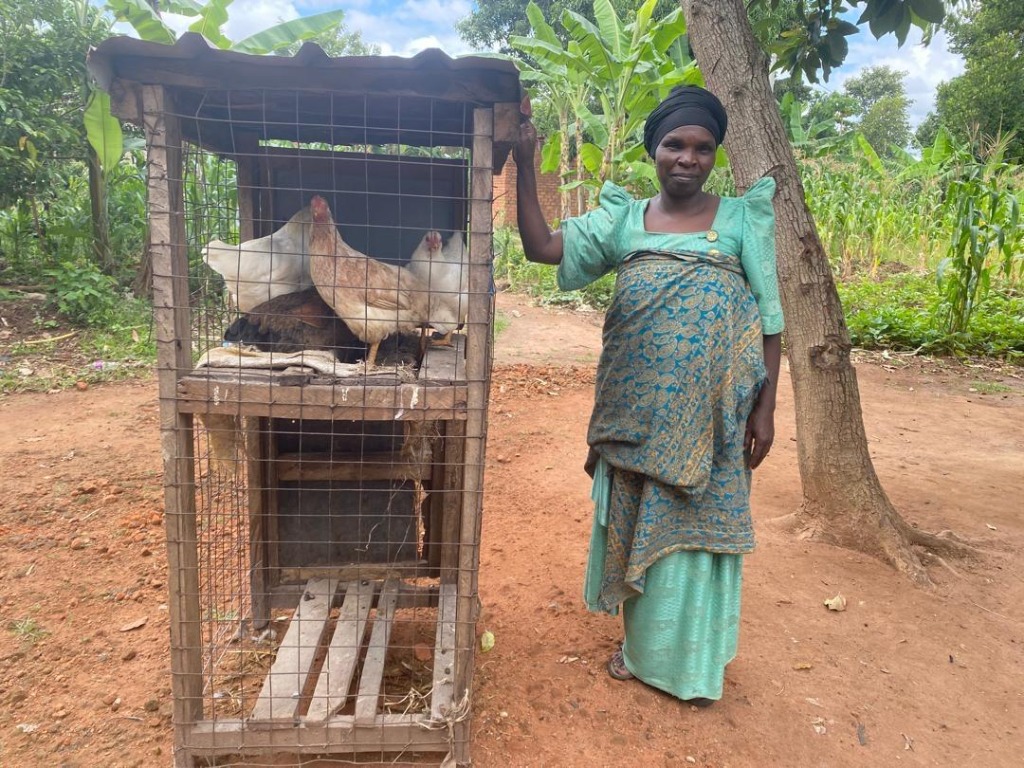
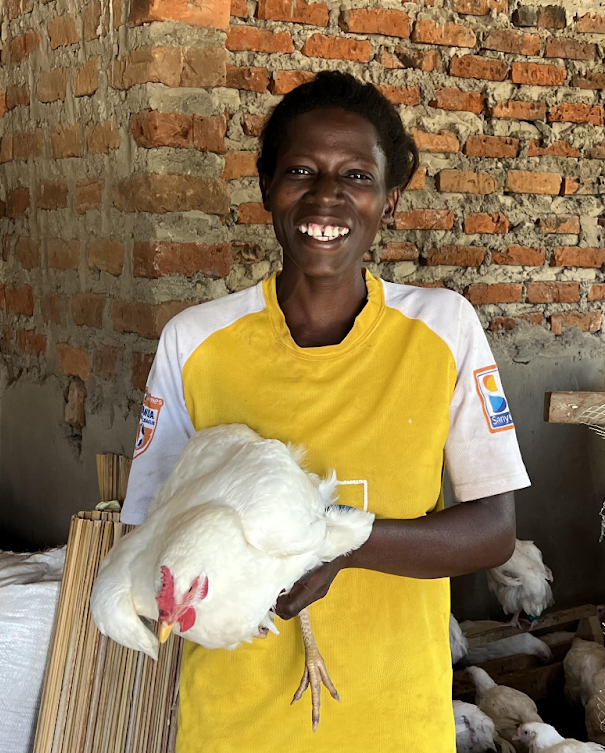
Nabirye Hanifa Poultry Farm

Nabirye Hanifa

Namutumba District · Community development graduate

"Start small. Reinvest. Grow."

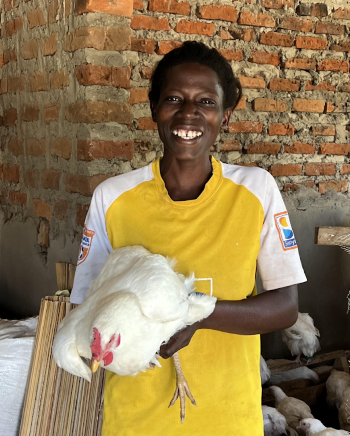
Hanifa is one of dozens of Namutumba graduates building a livestock business from the ground up. She started with a handful of birds — and the curriculum's record-keeping and money-management modules to support her.

Growing flock, reinvesting weekly
Namulondo Carolyne Tea & Snacks

Namulondo Carolyne, 23

Namutumba District · Single mom

"For the first time, I feel proud of myself."

Caroline borrowed $5.70 from friends and started selling tea and snacks. The training taught her to stay polite, keep her stall clean, and show up every day. She now supports her son and contributes to her parents' household.

Daily income now: $2.80
Read full story
Where We Work

21+ communities across Eastern Uganda.

Each marker below is a village where a GVC cohort launched, graduated, and is now generating income, and where the next cohort might begin.

Bududa Budadiri Magada Namutumba Busetta Kamuli Mukono Kwania Kokoro Putti Namutumba K'far Rishon Maizi-masa Buyanga Kachur Jinja Kyigalama Nangonde Buwalira Kikalu

Currently in training: Bududa & Budadiri (100 participants, 2026 cohort). You can visit these communities on our upcoming service trips or explore volunteer opportunities.

"$300 sponsors a six-month training. The average graduate triples their daily income within a year and keeps it."

— Myriam, Executive Director, GVC
Impact in Action

Stories from our Business Graduates

See how pricing, record-keeping, and value addition training are translated into lasting family independence.

Namutumba

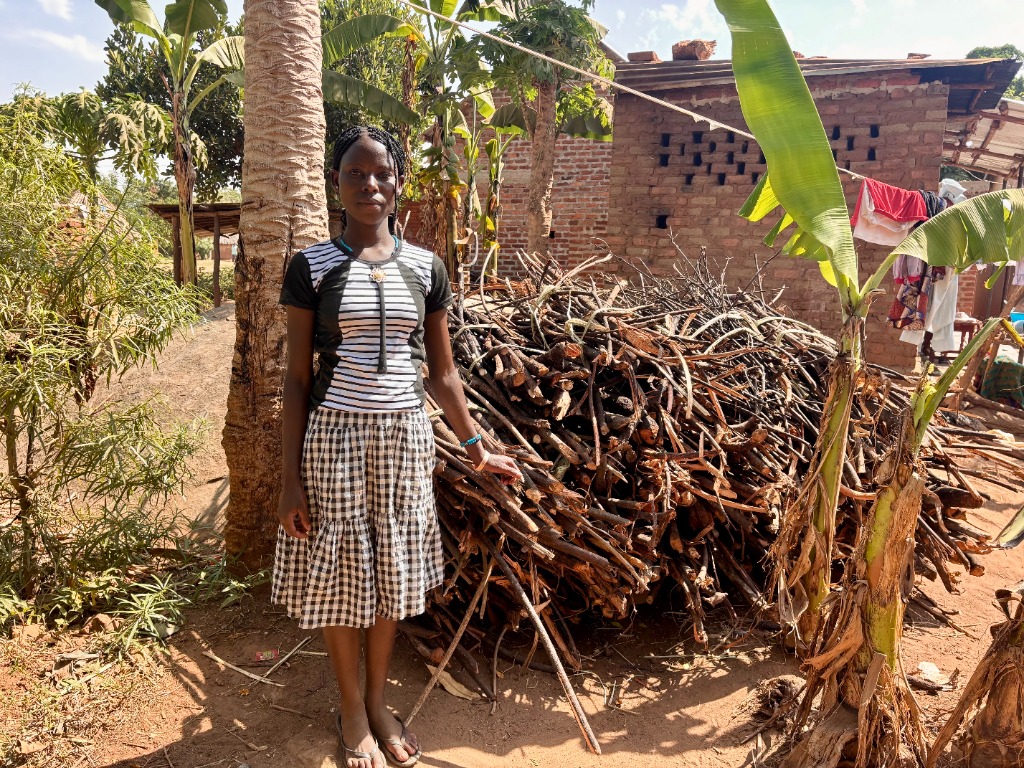
Meet Susan: How Your Support Taught a 17-Year-Old to Turn Wood into School Tuition

After dropping out of school due to poverty, Namutibwa Susan used community development training to start a firewood venture and fund her return to the classroom.

Read full story
Namutumba

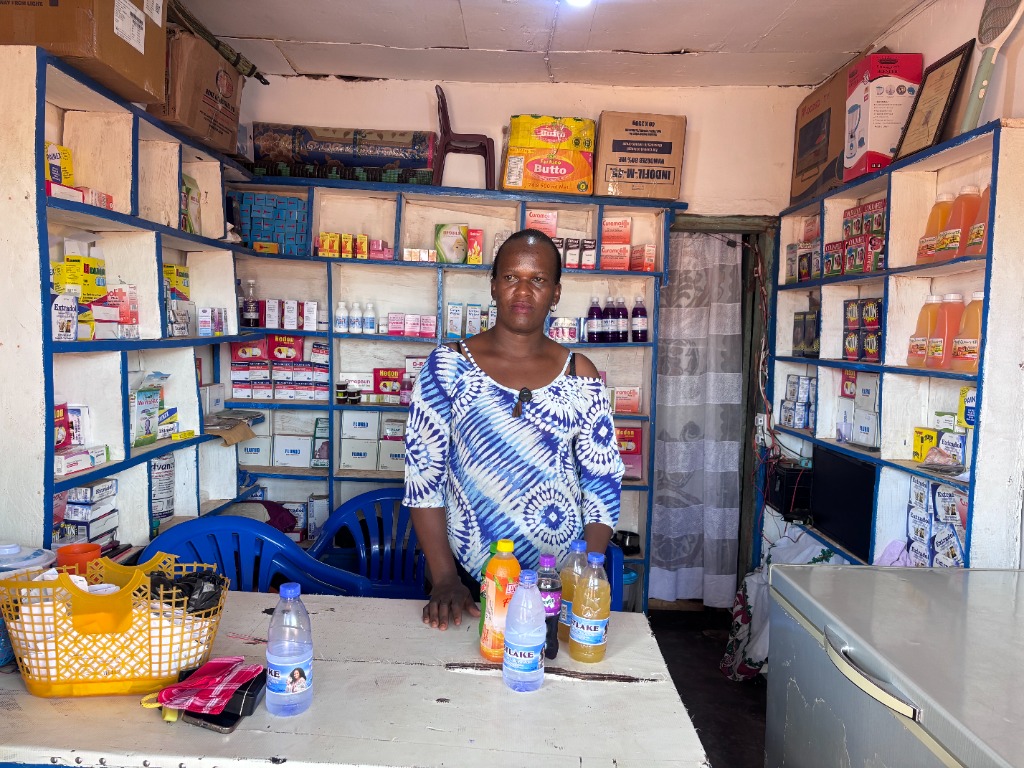
Meet Sylvia: How Your Support Turned a Struggling Shop into a Thriving Multi-Service Business
With community development training and a renewed mindset, Kawala Sylvia transformed her drug shop in Namutumba and launched new ventures to double her family's income.
Read full story
Namutumba

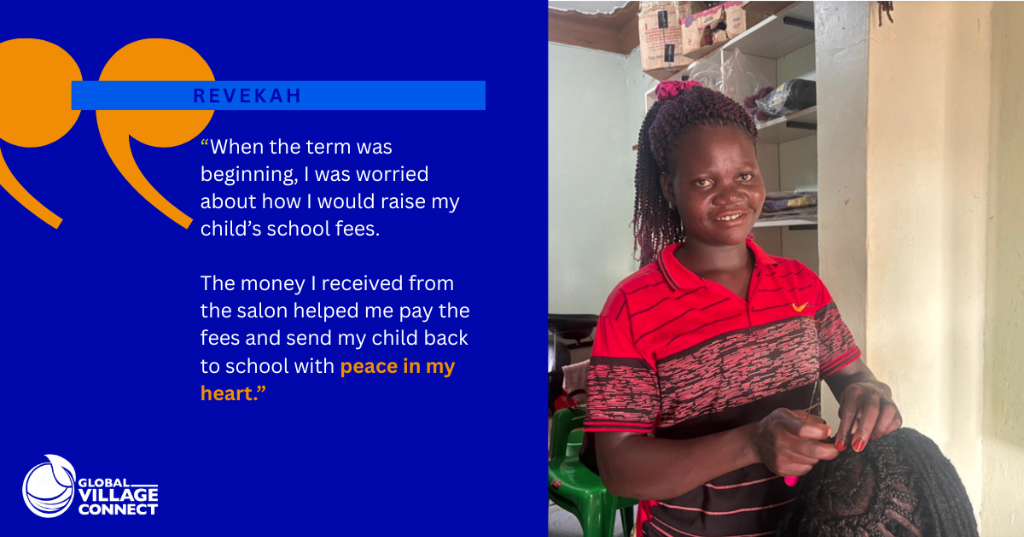
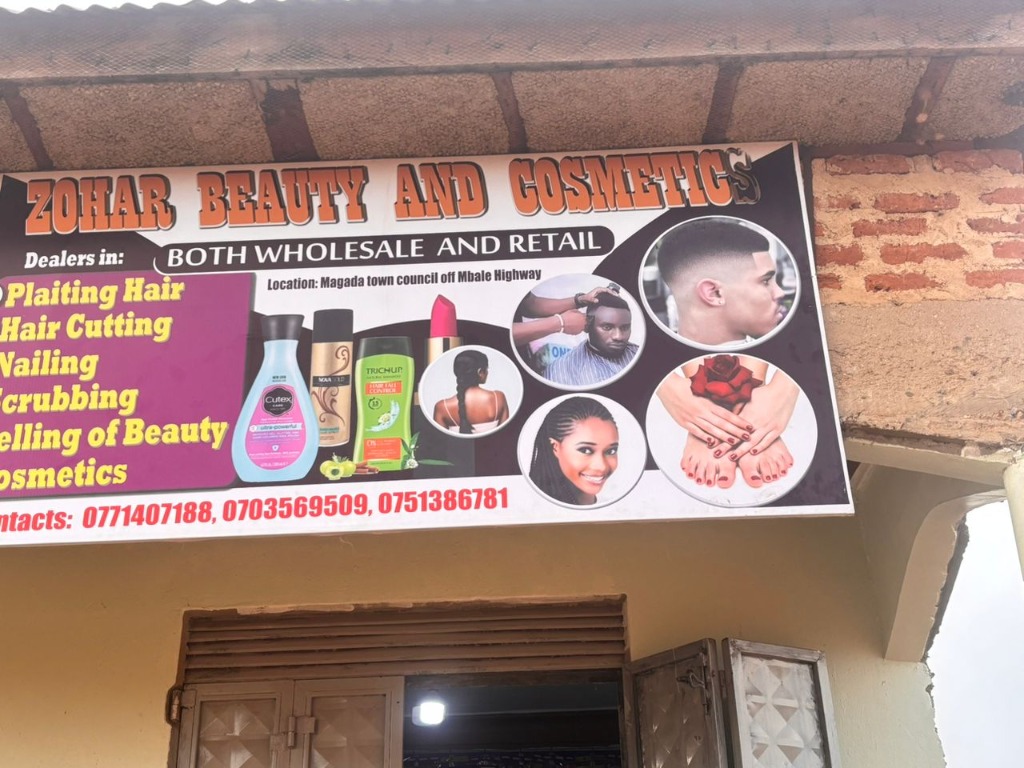
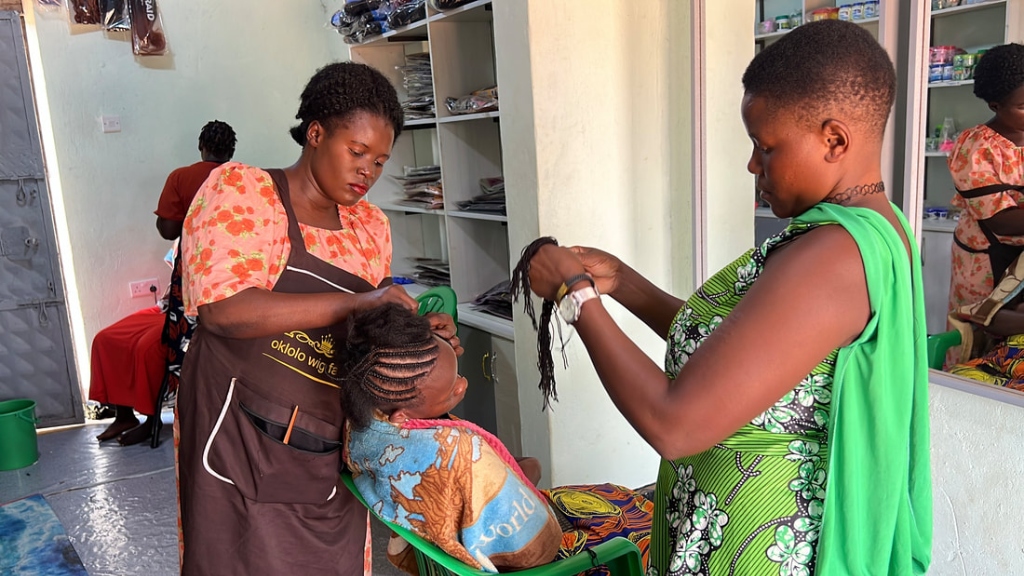
Meet the Women of Zohar: How Your Investment Turned Hair Styling into $1,293 in School Fees and Stability

Because of your support, 10 women generated $1,293 in combined profits to fund school fees and supplies for their children.

Read full story
Eastern Uganda

Meet Moses: How Your Support Turned a $2.80 Starting Seed into a New Beginning

Because of you, 24-year-old Moses gained the skills and hope to reopen his closed retail shop and support his family.
Read full story
Eastern Uganda

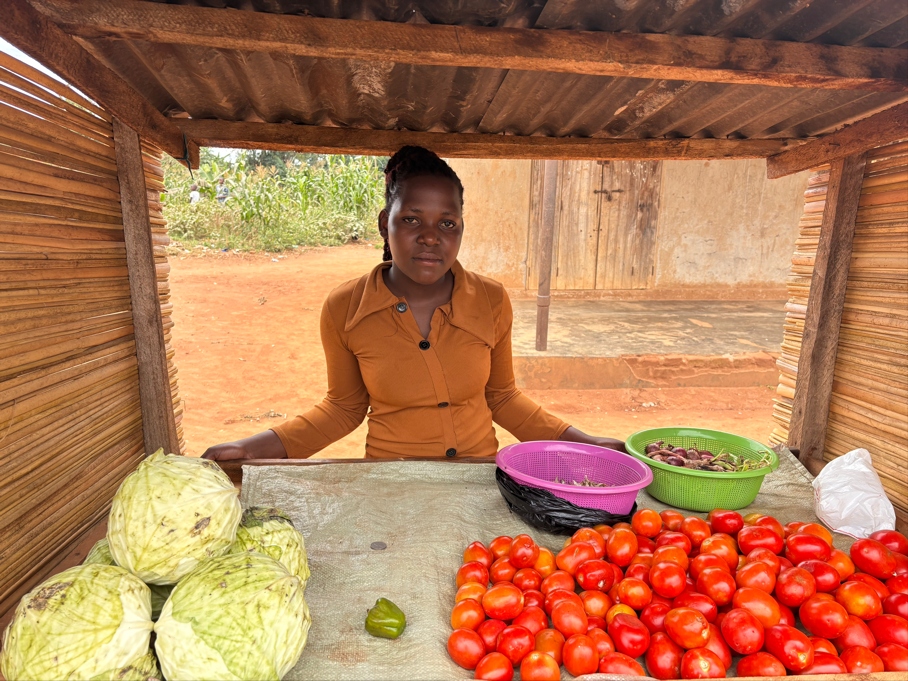
Meet Bridget: How Your Support Turned a $2.80 Vegetable Stall into a Path Forward

Because of you, 18-year-old Bridget launched a profitable village vegetable stall to support her family after dropping out of school.

Read full story
Eastern Uganda

Meet Carolyn: Your Generosity Turned a $5 Loan into a Thriving Donut Business

Because of you, 23-year-old single mother Carolyn opened a successful donut and tea stall to gain economic independence.

Read full story
Namutumba

Meet Zohar: Your Support Launched a Cooperative Salon and Lighted the Way for 10 Women

Because of your investment, 10 women in Namutumba built a thriving salon business to support their families.

Read full story
Namutumba

Meet the Namutumba Stylists: How Your Support Built a New Salon for 10 Mothers

Because of your investment, a group of ten determined women launched their own cooperative salon to secure sustainable income.

Read full story
Eastern Uganda

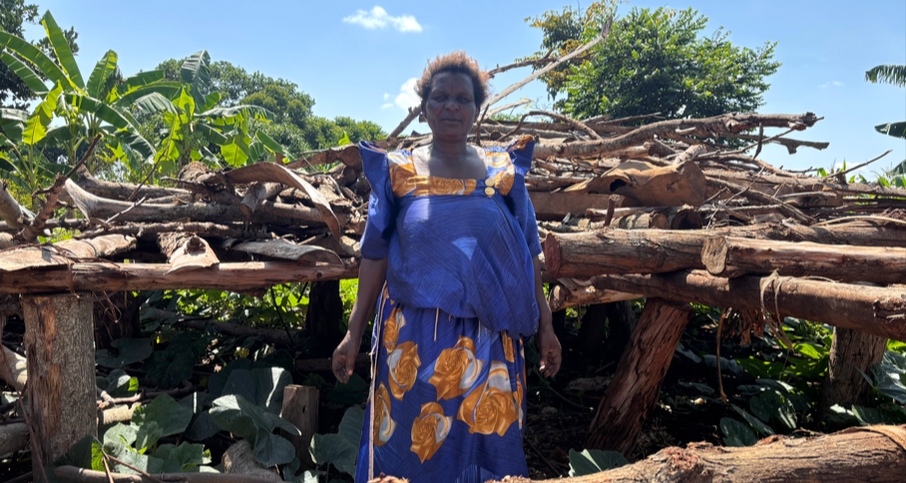
Meet Dorothy: How Your Support Turned a $10 Firewood Investment into a Secure Future

Because of you, Gonza Dorothy built a thriving firewood supply business to feed her children and grandchildren.

Read full story
Kwania

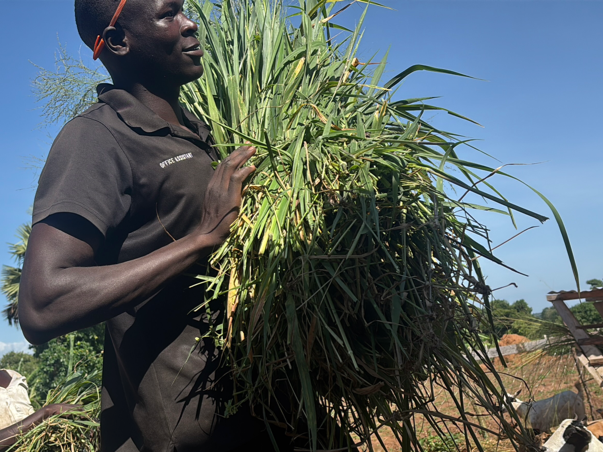
Kwania Goat Farm: How Your Investment in a Silage Machine Feeds a Community Herd

Because of you, cooperative members are using a new silage cutter to process feeds daily and boost herd growth.

Read full story
Eastern Uganda

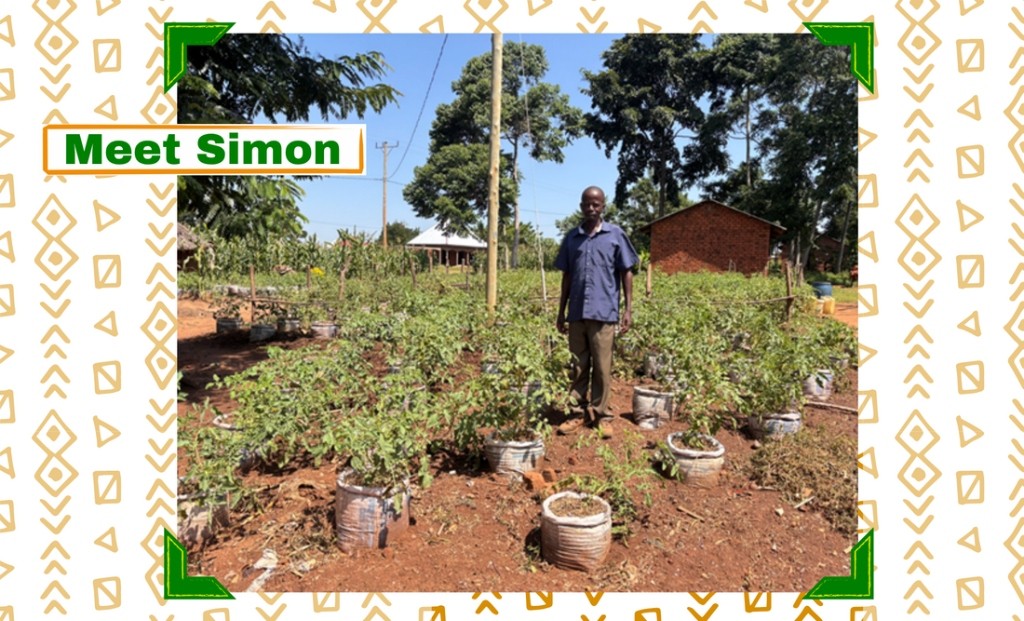
Meet Simon: How Your Support Turned a $54 Loan into a Sack Tomato Harvest

Because of you, Simon pioneered modern vertical sack tomato farming to secure his family's economic future.

Read full story
Kwania

Resilience in Kwania: How Your Support Provided a Silage Machine to Secure Herd Nutrition

Because of you, Kwania Goat Farm acquired a gas-powered silage machine to ensure nutritious feeds for the herd year-round.

Read full story
Namutumba

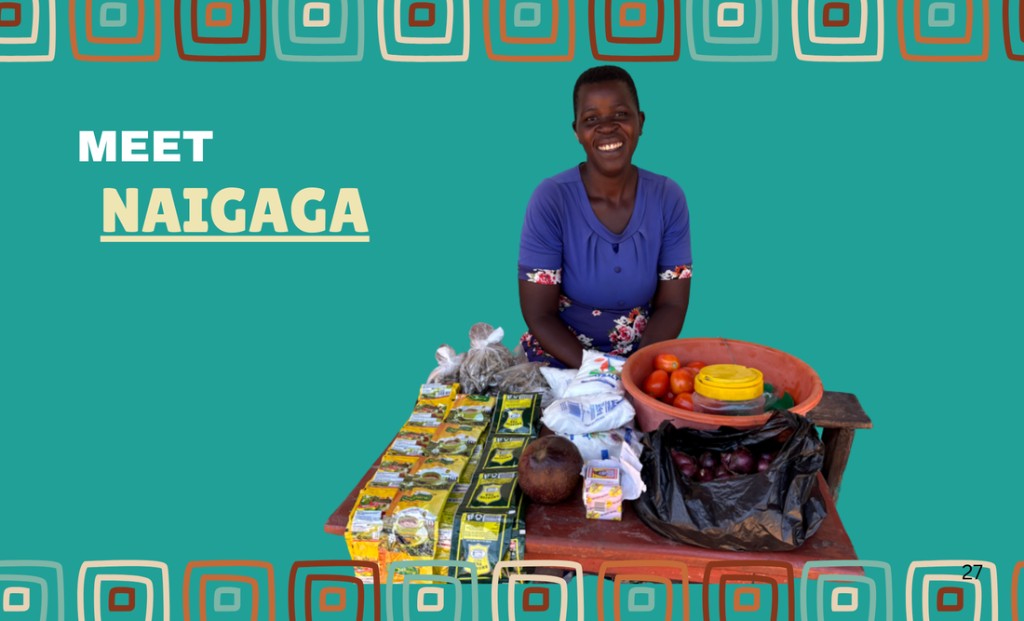
Meet Naigaga: How Your Support Turned a $5.40 Grocery Investment into a Mother's Livelihood

Because of you, Naigaga Kawa launched a fresh vegetable and grocery retail business to feed her five children.

Read full story
Kwania

Kwania Goat Farm: How Your Support Helped 17 Families Build a Thriving Cooperative

Because of you, seventeen families in Kwania established a collectively owned goat farm to build a sustainable future.

Read full story
Namutumba

Meet Monica: How Your Support Unlocked Chicken Cooperative Dividends for Her Son's School Fees

Because of you, 36-year-old Monica paid her eldest son's secondary school fees in full using poultry collective dividends.

Read full story
Namatumba

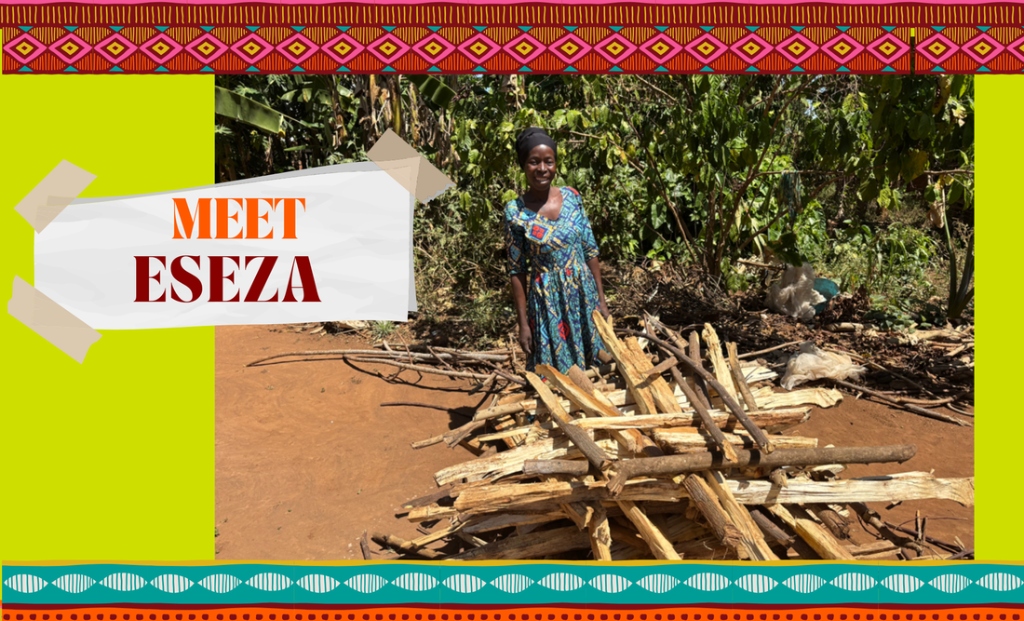
Meet Eseza: How Your Generosity Turned a $5.40 Firewood Investment into a Future for Eight Children

Because of you, widowed mother Eseza built a successful firewood retail business to feed and educate her eight children.

Read full story
Eastern Uganda

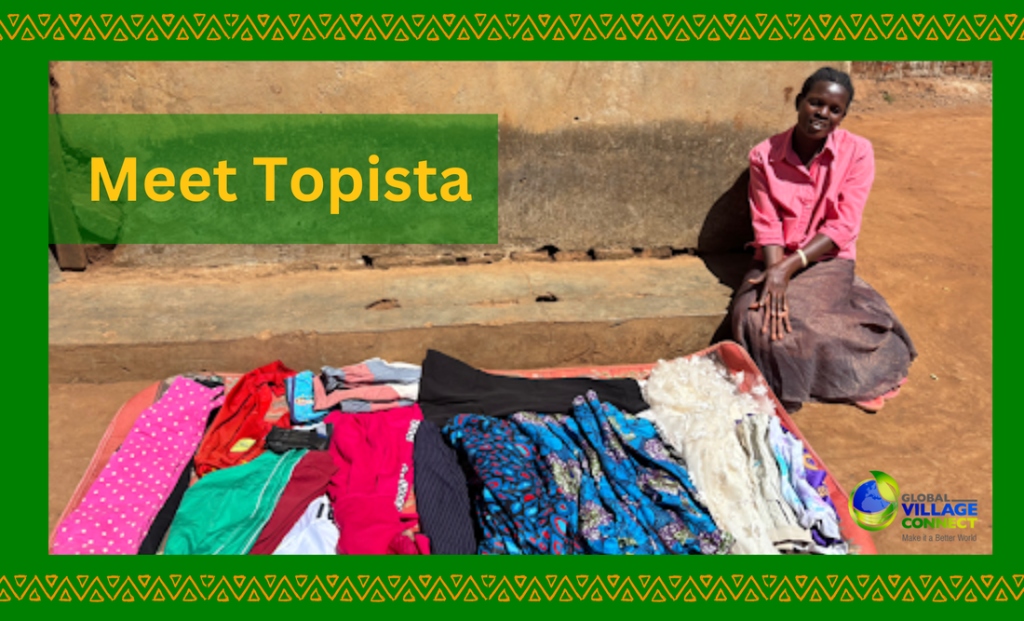
Meet Topista: How Your Support Turned a $13.60 Clothing Investment into School Fees for Her Four Children

Because of your generosity, Topista established a thriving second-hand clothing business to feed her children and send them back to school.

Read full story
Namutumba

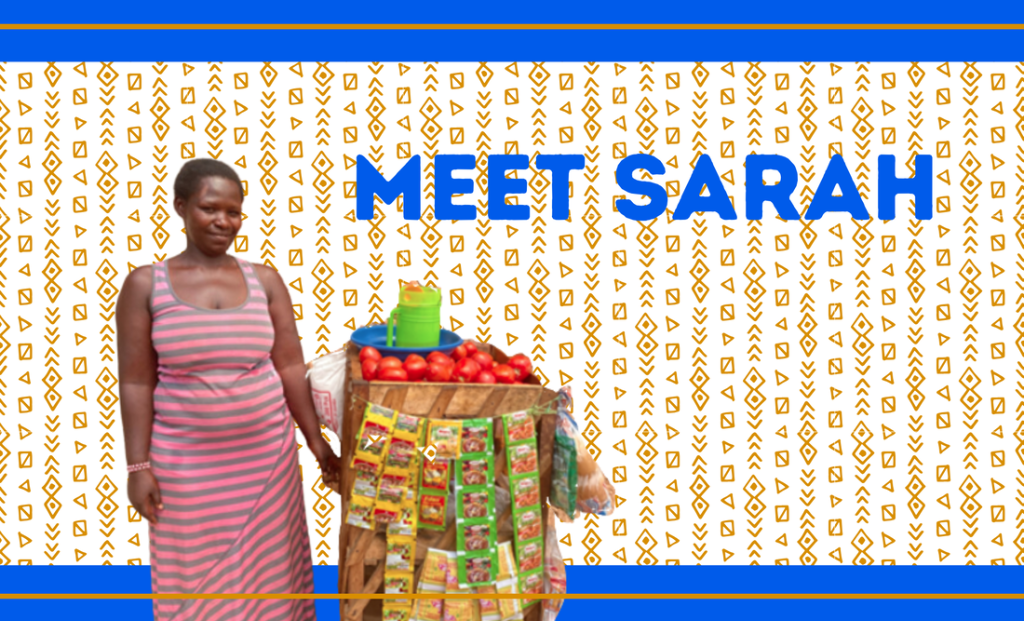
Meet Sarah Yoyeta: How Your Support Turned a $5.30 Tomato Investment into a Thriving Cart

Because of you, single mother Sarah built a successful vegetable retail cart to feed and educate her three children.

Read full story
Eastern Uganda

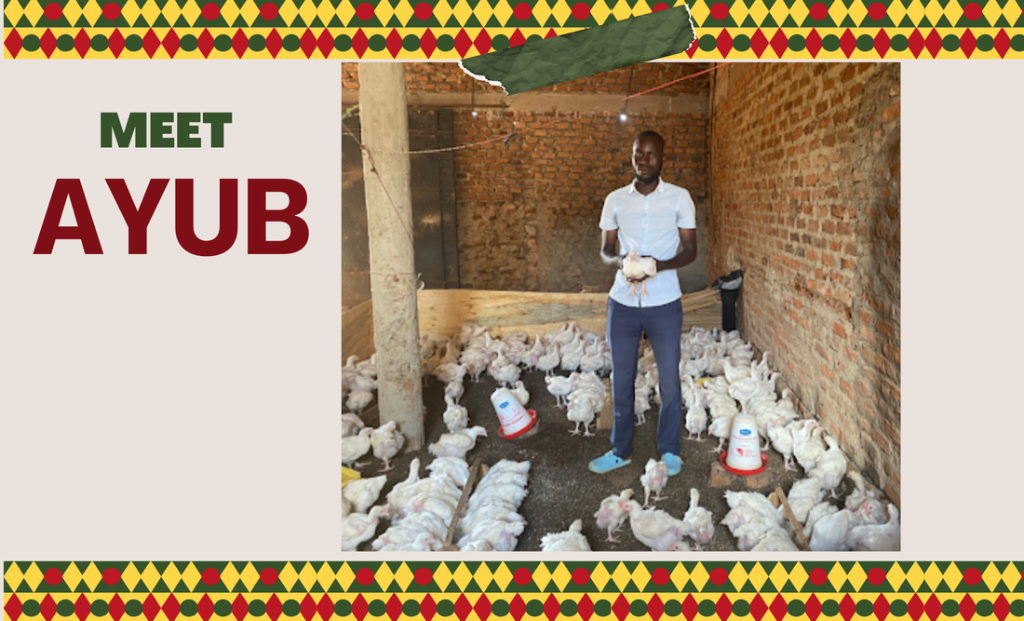
Meet Ayub: How Your Support Helped a Motorcycle Driver Turn a $66 Savings into a Chicken Business

Because of you, Ayub saved $66 to launch a poultry rearing business, securing a stable income for his family.

Read full story
Nabikabala

Mothers Yes We Can: How Your Investment in 500 Chicks Funded Education in Nabikabala

Because of you, ten single mothers successfully sold their first batch of chickens, distributed profits, and expanded their poultry farm.

Read full story
Eastern Uganda

Mothers Yes We Can: How Your Support Helped 10 Single Mothers Build a Cooperative Chicken Farm

Because of you, a collective of ten single mothers successfully launched a poultry farm with 400 chicks to support their families.

Read full story
Putti

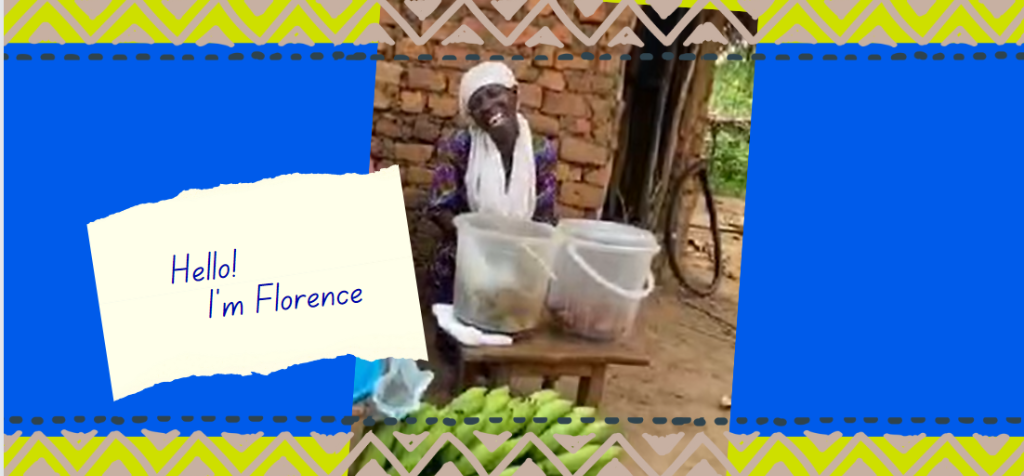
Meet Florence: How Your Generosity Turned a $9 Investment into Hope for Her Seven Children

Because of your support, Florence launched a donut and matoke business with a $9 investment to feed her seven children and pay school fees.

Read full story
Eastern Uganda

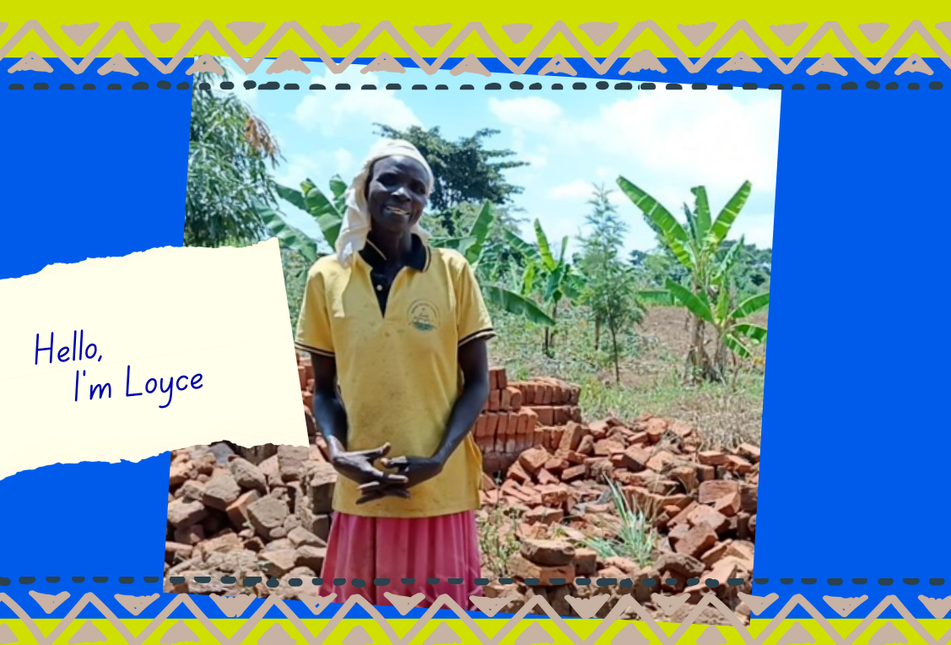
Meet Loyce: How Your Support Helped a Mother Turn an Anthill into a Brick Business

Because of your support, Loyce launched a brick-laying business using clay from her own land, producing 15,000 bricks to pay school fees.

Read full story
Eastern Uganda

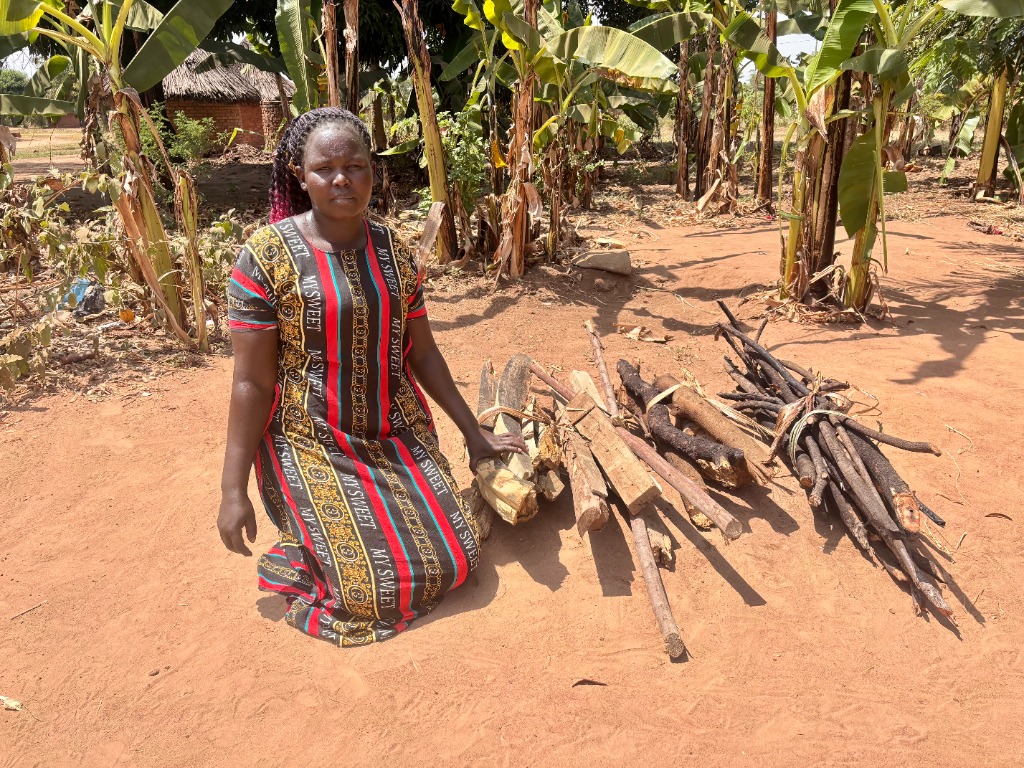
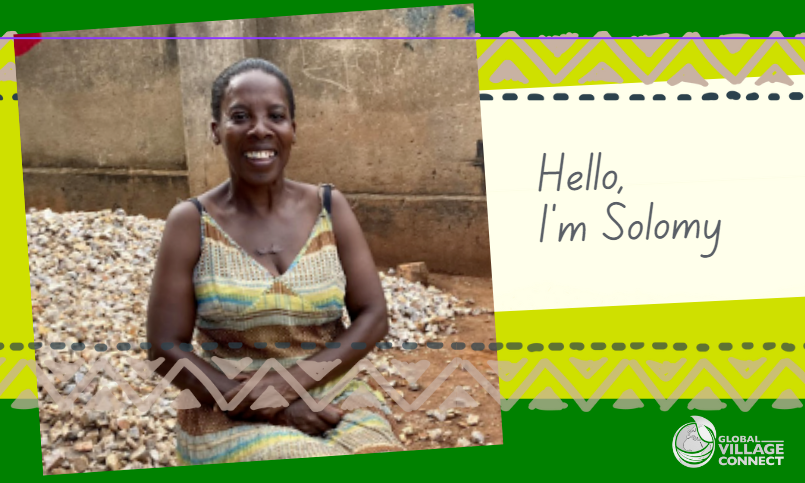
Meet Solomy: How Your Support Helped a Widow Turn Peanut Butter and Charcoal into School Tuition

Because of you, widowed mother Solomy established roasted peanut butter and charcoal micro-businesses to send her kids back to school.

Read full story
Common Questions

Everything you want to know.

Why don't you give participants start-up capital?

It's a deliberate design choice. Programs that hand out cash often see graduates default back to subsistence once the money runs out. Our model teaches participants to start with under $10 from their own savings or a small loan, then reinvest profits. Confidence and ownership are part of the outcome.

How do you measure impact?

Every participant has a baseline daily income recorded on day one. We measure again at graduation, then at 3, 6, and 12 months. The average graduate goes from $2.61/day at baseline to $6.71/day at one year — a 157% increase.

Who delivers the training?

Our Uganda-based team, led by trainer Arapta Honest, with on-the-ground program management by Phoebe. They deliver the curriculum in local language and run all one-on-one coaching visits in person.

Why are most graduates women?

About 79% of our participants are women — by design. In the communities where we work, women carry the bulk of the household but have the least access to economic opportunity. Investing in a woman's potential, in our experience, lifts an entire household.

Is my donation tax-deductible?

Yes. Global Village Connect is a 501(c)(3) nonprofit. U.S. donations are tax-deductible to the extent allowed by law. We can provide receipts for any donation, large or small.

Can my company or church sponsor a whole cohort?

Absolutely. A full cohort of 50 participants runs roughly $2,222 and gives your group a named, trackable village with quarterly impact reports. If you are representing a school, you can also connect your classroom through our Get Your School Involved program. Reach out and we'll walk you through it.

Direct Connection

Let's talk
directly.

Equipping a community with training and coaching is a deeply rewarding commitment. I'm Myriam, the Executive Director of Global Village Connect, and I would love to connect with you 1:1.

15-minute quick introduction Google Meet video call
M
Myriam Executive Director, GVC

Pick a time that works for you. I look forward to meeting you and sharing how your support transforms lives in rural Uganda.

Schedule a Call with Myriam No commitment necessary. Just a friendly, informal chat.