Meet Sam Wabuyi: How Two Goats Funded an Orange Business and Restored a Family's Dignity
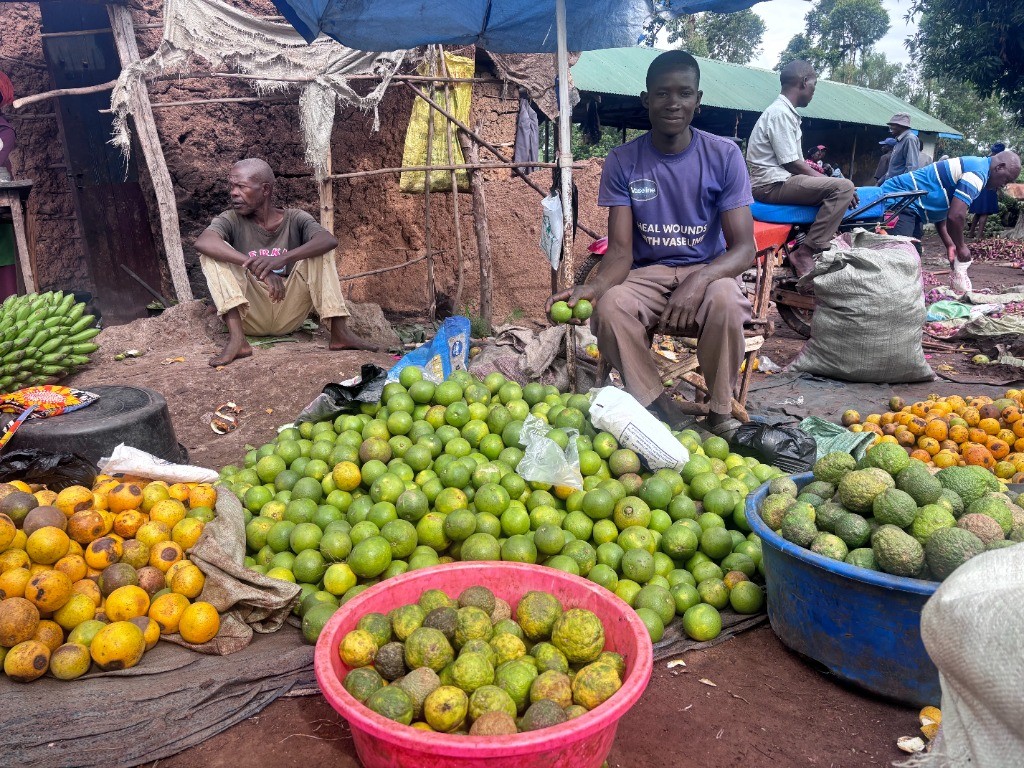
By selling two goats for startup capital, 29-year-old father of six Sam Wabuyi built a thriving orange business, buying new school uniforms for his children.
For many years, 29-year-old Sam Wabuyi struggled to support his family of eight in Eastern Uganda. As a casual laborer, Sam spent his days digging in other people’s gardens for meager daily wages—a hard manual struggle shared by fellow GVC entrepreneur Sarah before starting her enterprise. Earning just 3,000 UGX (about $0.80 USD) per day, the stress of poverty weighed heavily on his household. His wife was unhappy, arguments were frequent, and the constant stress at home impacted his children’s mental well-being and academic performance.
Everything began to change when Sam’s uncle, the local village chairman, recommended Global Village Connect’s business training program—a key part of GVC’s mission to build self-reliant communities.
Goats as living savings accounts
To raise the startup capital needed to launch a business, Sam utilized a strategy taught in the training: leveraging assets. He sold two of his family’s goats for a total of 240,000 UGX (about $65 USD).
In rural Uganda, goats often serve as living savings accounts, providing families with emergency cash when needed. By selling these animals, Sam was able to fund a new orange distribution business, purchasing fresh fruit in bulk from a neighboring district where prices were lower and transporting them to markets with high demand. (Read more about how goats empower families in GVC’s field notes).
Overcoming preservation challenges
Sam’s initial months in business were difficult. Without proper preservation knowledge, many of his oranges rotted before he could sell them.
However, applying the financial management and crop handling techniques from the GVC training, Sam learned how to properly store and preserve his stock. Today, losing fruit to rot is rare, and his orange business generates a steady daily profit of 8,000 UGX (about $2.20 USD)—nearly triple his daily wage as a manual laborer.
Restoring school attendance and family pride
The financial turnaround has transformed Sam’s household. Previously, his children wore old, ragged school uniforms and faced bullying from classmates. With his new earnings, Sam bought new, clean uniforms for his three school-aged children.
Their teachers have noticed a profound difference, reporting that the children are now happy, confident, and active at school. Sam is hopeful that their grades will reflect this newfound stability, similar to the attendance gains seen in GVC’s Keep Girls in School initiative.
At home, the household is peaceful.
“Before, my family was always stressed and quarreling. Now, I can take good care of my wife and children. My wife is happy, the children are healthy, and even my wife’s relatives respect me as a caring provider.”
— Sam Wabuyi (shared with GVC’s field team)
Planning for long-term growth
To secure his family’s future, Sam has joined a local savings group, where he deposits 5,000 UGX (about $1.35 USD) daily—a micro-capital method practiced by fellow graduates like Edith Namataka, Grace Nambuya, and Aida Mugide.
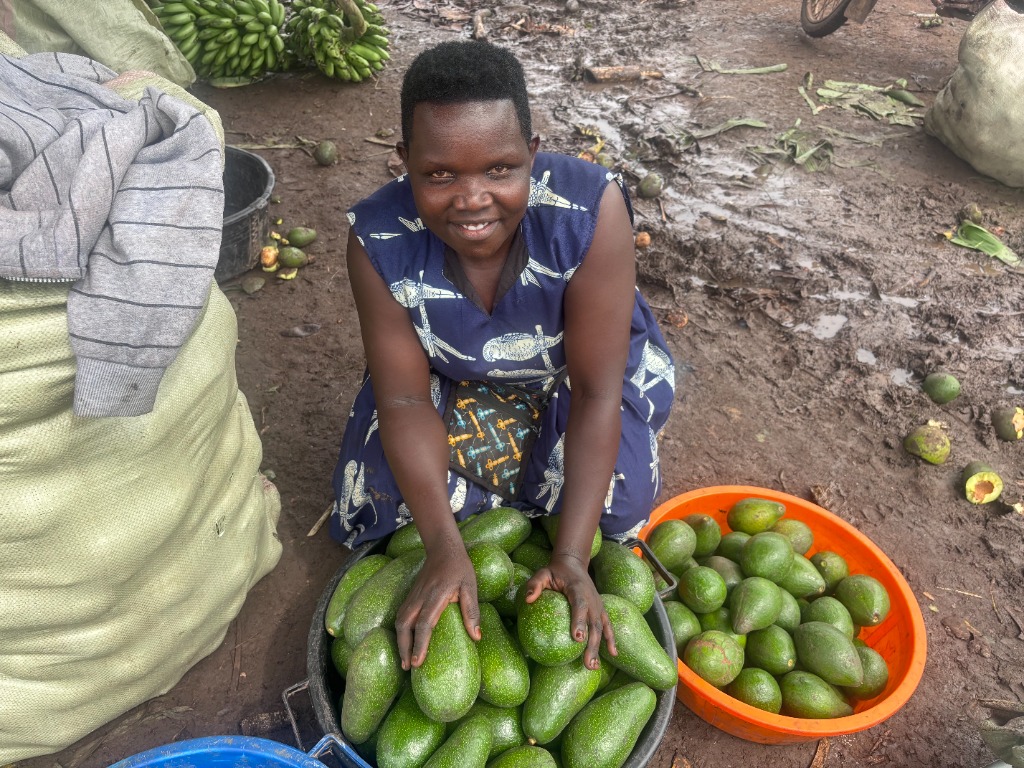
He plans to use these savings to cultivate oranges directly on land given to him by his father, establishing a sustainable agricultural harvest similar to vertical tomato farmer Simon. Eventually, Sam hopes to expand his business by opening a permanent shop for his wife, helping her establish her own independent income stream, much like GVC fruit and retail graduates avocado vendor Annet Namono, Naigaga, and Florence. You can support GVC’s community empowerment by visiting our donation page.