
Program Update
Bridging the gap between schooling and employment
An honest look at the transition after school for two GVC-supported students, and why academic schooling without vocational options can leave girls behind.
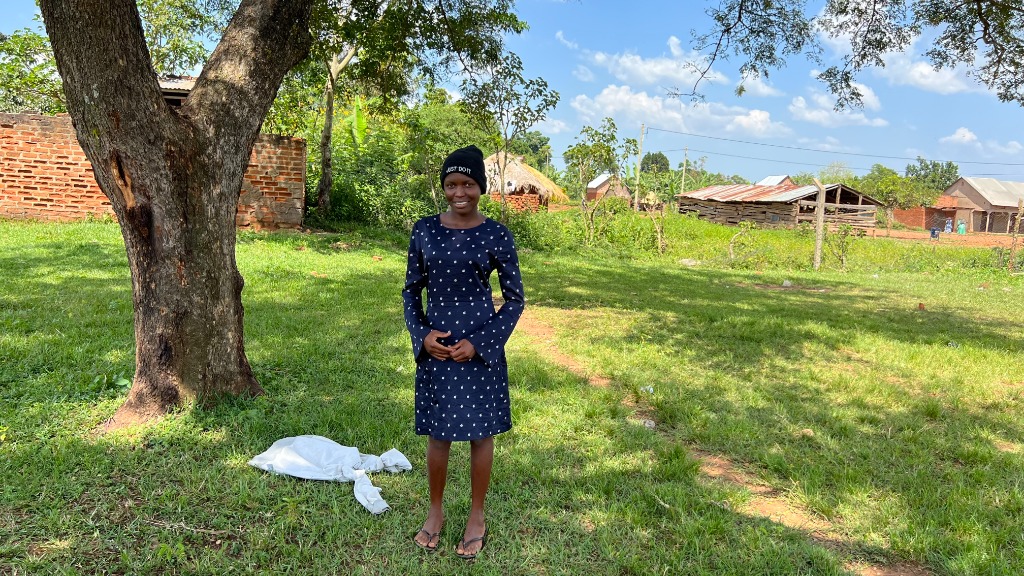
At Global Village Connect, we are committed to sharing not just our highlights, but also the systemic challenges we face. Real progress is rarely linear, and sometimes our setbacks teach us the most about how we must adapt.
This is the story of two girls, Annet Amullen and Gimbo Sandra, who finished their Ordinary Level studies (high school) after receiving scholarship support from GVC since primary school. Despite years of investment, their post-graduation reality highlights a deep, systemic challenge in rural education.
The academic vs. vocational dilemma
Annet and Sandra struggled academically, and their final examination scores were low. Both girls aspired to enter nursing or early childhood development programs.
While some unaccredited private institutes would have admitted them in exchange for tuition fees, our local team knew this would lead to a dead end. Without qualifying grades, these girls would never be able to register with the national nurses’ council or secure government certification, leaving them with worthless certificates and unpaid student debt.
The choice path
- High School Completion (Low Grades): Students aspire to nursing or early childhood education.
- The Dilemma (Accreditation vs. Pivot):
- Path A (Unaccredited Institute): Enrolling anyway leads to wasted tuition fees and an inability to obtain a state license, resulting in unemployment.
- Path B (GVC Vocational Proposal): Urging students to pivot to beauty, catering, or tailoring, fully funded by GVC.
- The Result: The girls and guardians refuse the vocational pivot, leading to GVC withdrawing support and the girls dropping out.
Our country manager spent weeks counseling the girls and their guardians, trying to persuade them to pivot to high-demand vocational fields like catering, tailoring, or beauty and hairdressing. GVC was ready to fund these courses fully, as they offer immediate paths to self-employment in the local economy—much like the success of GVC graduates running the Zohar Salon Cooperative or Rashida’s cosmetology training.
Unfortunately, both the girls and their guardians refused, viewing vocational courses as less prestigious than academic ones.
The consequence of the gap
With no viable, accredited academic path open and a refusal to participate in vocational training, GVC was forced to make a difficult decision: we withdrew our educational support, and the girls dropped out.
Today, the reality is stark. Annet recently became pregnant. She briefly found a teaching job at a local nursery school, but was discontinued after a few weeks because she lacked the required credentials. Both girls are now back home in their village without jobs or income.
The academic education they received was not enough, on its own, to secure employment or safety.
How we must adapt
Annet and Sandra’s story is a painful reminder that school enrollment is not the same as life preparation. When academic progress stalls, we must have stronger frameworks to guide students toward practical, dignified livelihoods.
This experience has led our team to redesign our scholarship transition phase:
- Earlier Career Guidance: Introducing vocational orientation and realistic career counseling two years before high school graduation.
- Guardian Engagement workshops: Working with parents and guardians to dismantle the stigma around trade skills (tailoring, catering, mechanics) which often pay more reliably than low-grade academic paths.
- Structured Vocational Tracks: Making vocational transitions a standard, fully supported path rather than a secondary alternative.
By sharing stories like Annet and Sandra’s, we want to show you the hard realities of our work, and invite you to make a gift to support the career counseling and vocational funding that ensures no student is left stranded at the finish line.
More Field Notes
Keep reading
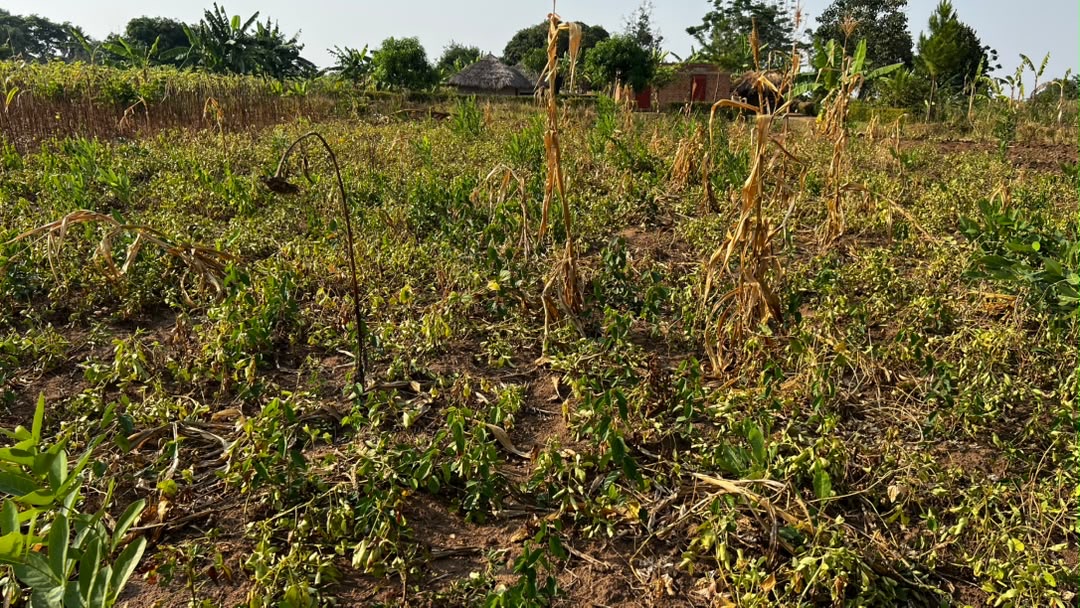
When the harvest fails: What 49 Kwania households told us about hunger
A July 2026 GVC assessment in one Kwania District village found crop failure, empty food stores, reduced meals, and urgent requests for a 30-day food bridge.
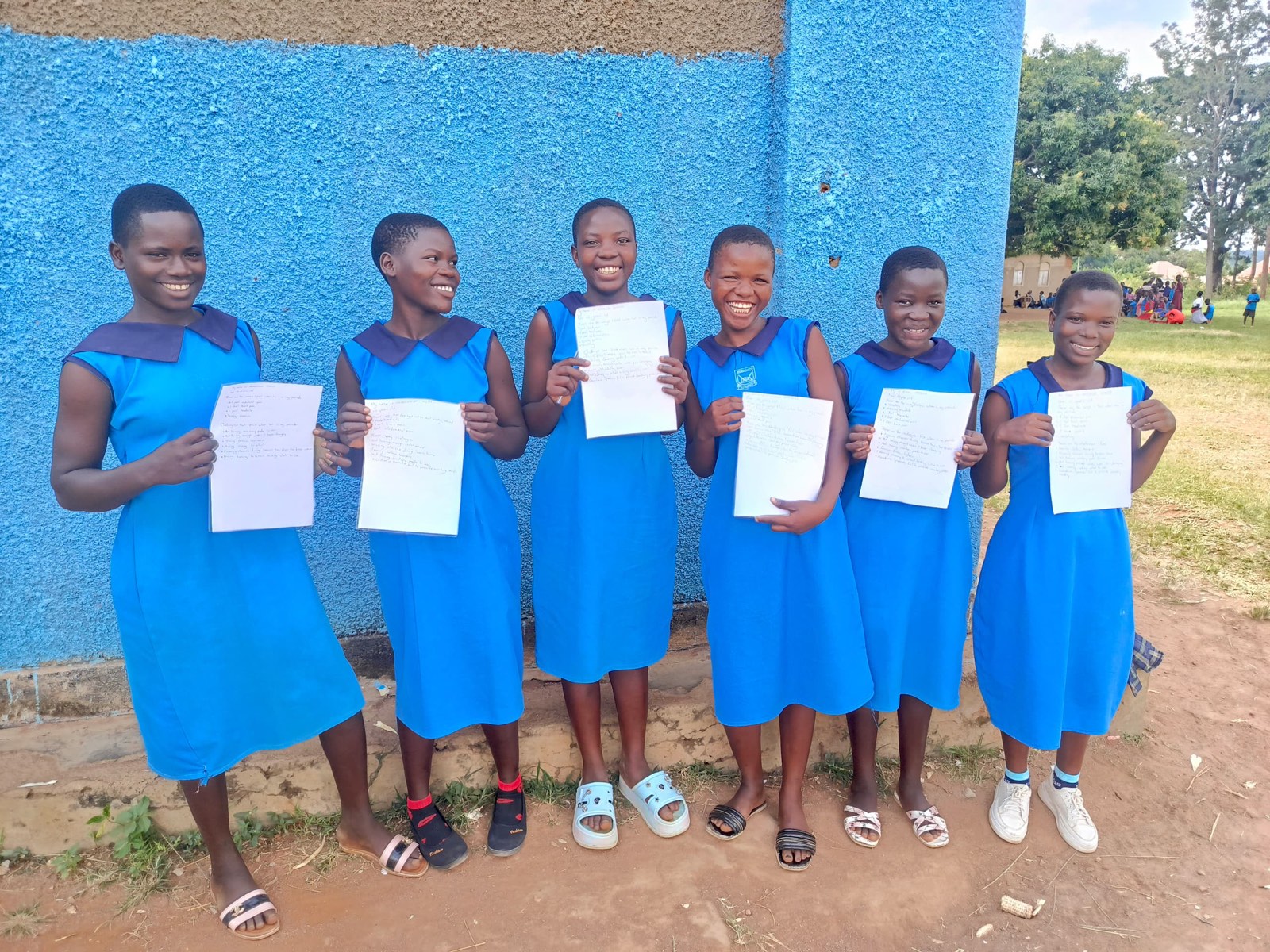
Period poverty in Uganda: What 173 girls told us about missing school
A 173-student assessment at Buyanga Primary School documents how cost, pain, inadequate materials, and stigma affect girls' attendance in rural Uganda.