
School Farming
Rains, rot, and resilience: Buyanga Primary School farm
Prolonged heavy rains impacted Buyanga Primary's crop farm, causing losses in their cash-crop groundnuts, but showing the power of diversified vegetable farming to feed boarding students.
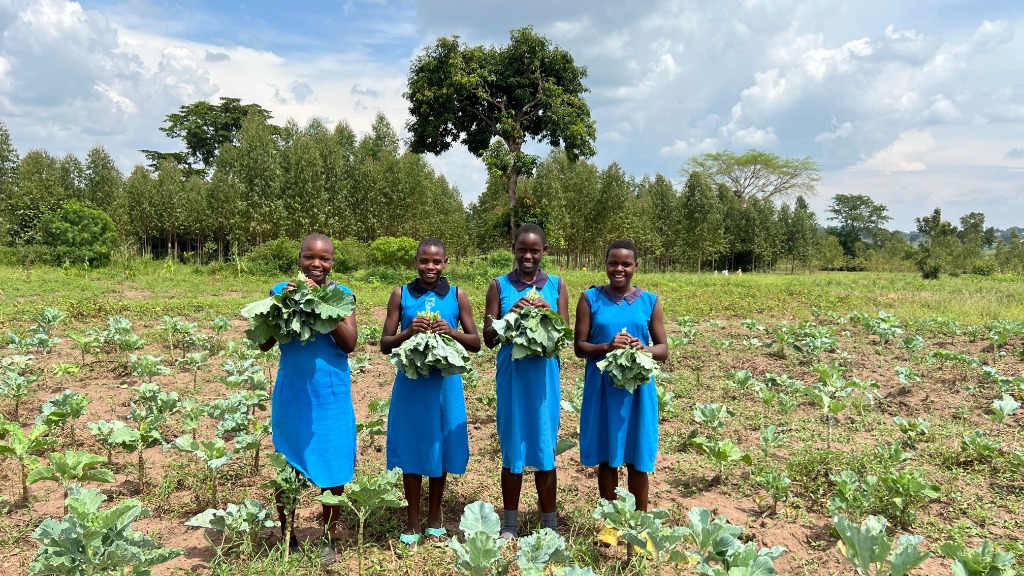
At Buyanga Primary School, our boarding program feeds hundreds of children daily. To make this sustainable, the school runs a crop farm where students and staff grow sweet potatoes, cassava, groundnuts, beans, and vegetables.
Farming locally serves two goals: it lowers the cost of school meals and provides hands-on agricultural training. But as any farmer knows, you are always at the mercy of the weather.
This season, the farm was heavily affected by prolonged, unseasonable rains.
The impact flow of the rains
- The Challenge (Prolonged Rains):
- Groundnut Crop (Cash Crop): Rains saturated the soil → crops started rotting in the garden → forced early harvest → Financial loss on the commercial sale.
- Vegetables and Beans (Food Supply): Crops thrived in wet conditions → harvested daily → Nutritious hot meals for boarding students.
The crop loss: rotting groundnuts
Groundnuts (peanuts) were planted this season with a specific purpose: to act as a cash crop. The plan was to sell the harvest in the local market to generate revenue that would pay for school operational costs, books, and supplies.
Unfortunately, the heavy rains saturated the soil, and the groundnuts began rotting in the ground.
In a race against time, the school team harvested the crop in a hurry—even though it was not yet fully mature. Despite their quick action, the premature harvest and water damage mean the school will experience financial losses on their groundnut sales this season.
The bright spot: veggies and beans
While the groundnuts suffered, the diversified layout of the farm saved the school’s nutritional supply. The vegetables and beans thrived in the wet conditions.
Every day, fresh leafy greens, vegetables, and beans are harvested from the school garden and cooked directly in the school kitchen. For the boarding students, this ensures a hot, nutrient-rich meal every single day.
Even when the commercial side of the farm takes a hit, the nutritional safety net holds firm.
Looking forward: weather-proofing the farm
This season teaches us the importance of resiliency through diversification. If Buyanga had only planted groundnuts, the entire agricultural project would have been a loss. Because they planted sweet potatoes, cassava, beans, and vegetables alongside them, the children are still fed.
To prepare for future seasons under changing weather patterns, we are looking to invest in:
- Improved drainage systems in the low-lying sections of the crop fields.
- Elevated drying racks or simple storage shelter to dry harvested crops safely during wet spells.
- Higher-quality seeds that withstand damp soil conditions better.
Farming in Uganda is a constant negotiation with nature. But with the dedication of the Buyanga staff and the support of our donors, we are learning from every season and building a more resilient school food supply.
To support our school farming projects, visit our education program page or see our related emergency food relief updates.
More Field Notes
Keep reading
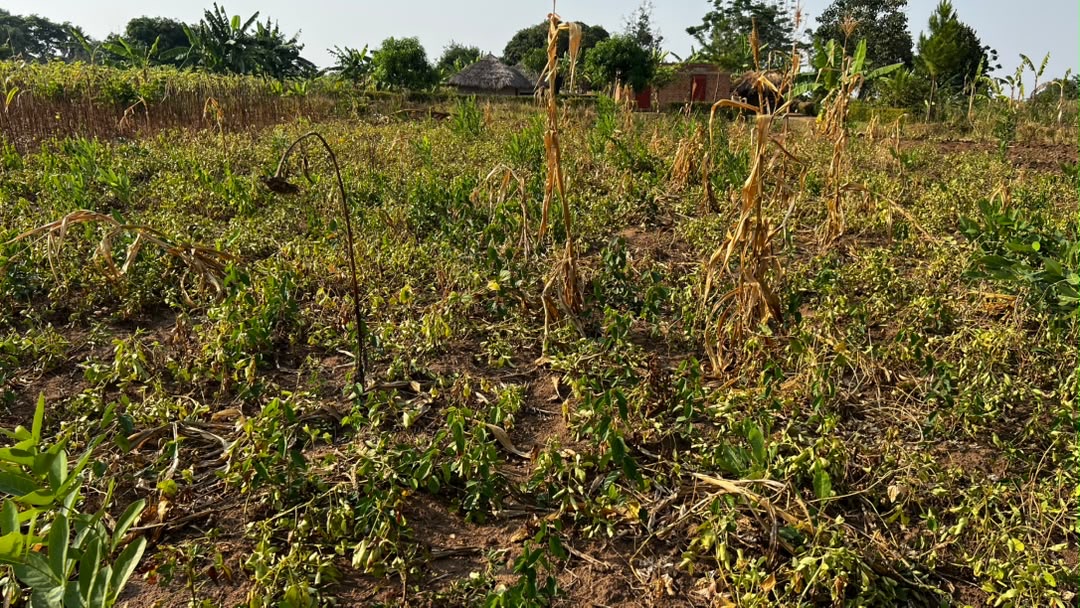
When the harvest fails: What 49 Kwania households told us about hunger
A July 2026 GVC assessment in one Kwania District village found crop failure, empty food stores, reduced meals, and urgent requests for a 30-day food bridge.
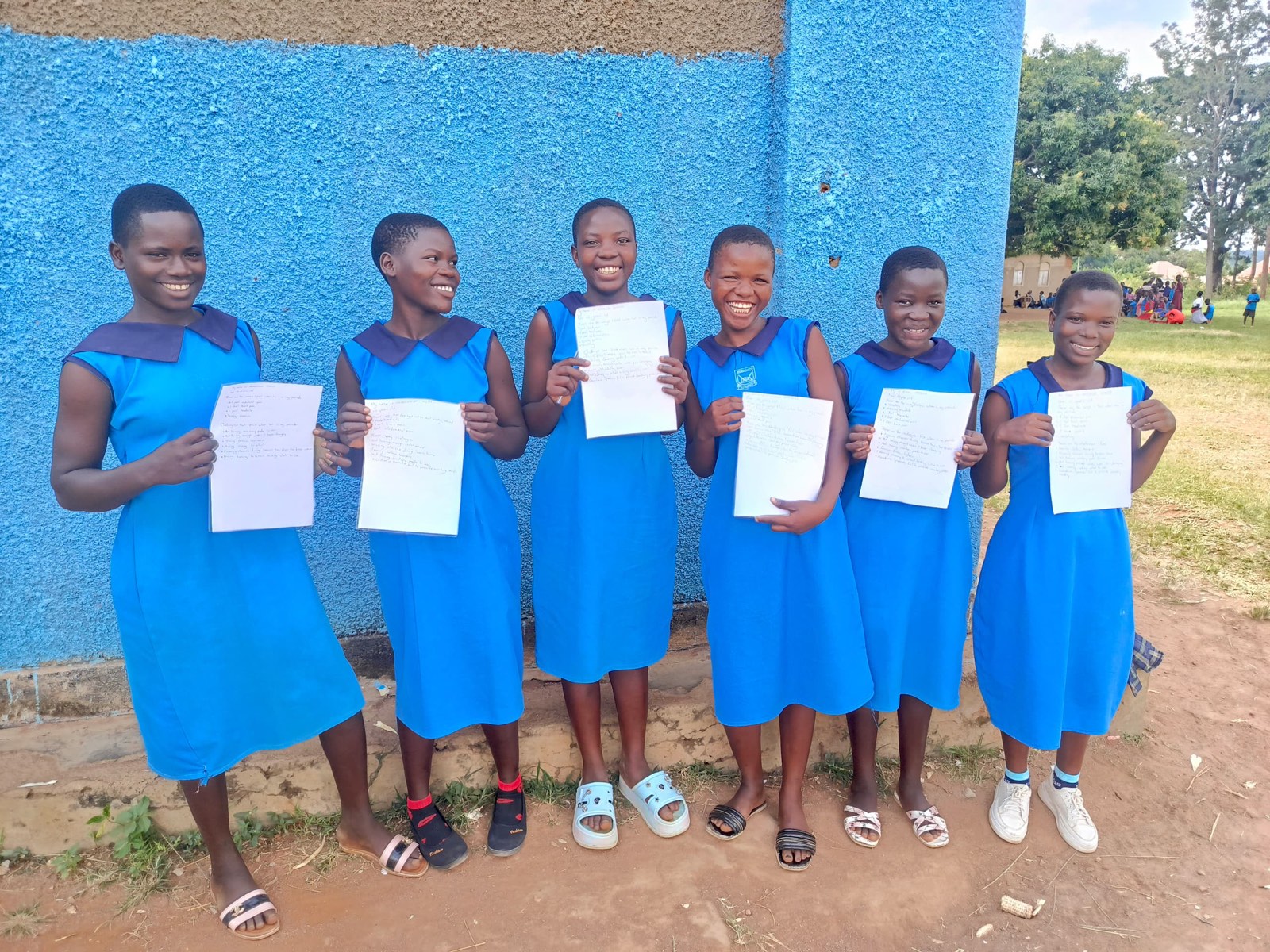
Period poverty in Uganda: What 173 girls told us about missing school
A 173-student assessment at Buyanga Primary School documents how cost, pain, inadequate materials, and stigma affect girls' attendance in rural Uganda.