
Kwania food relief delivered · Emergency Aid Fund open
Kwania Emergency Food Response
In July 2026, GVC assessed 49 households in one Kwania village after a failed harvest. Food relief has since been delivered. The campaign continues as an ongoing Emergency Aid Fund to help GVC prepare for and respond to future locally verified emergencies.
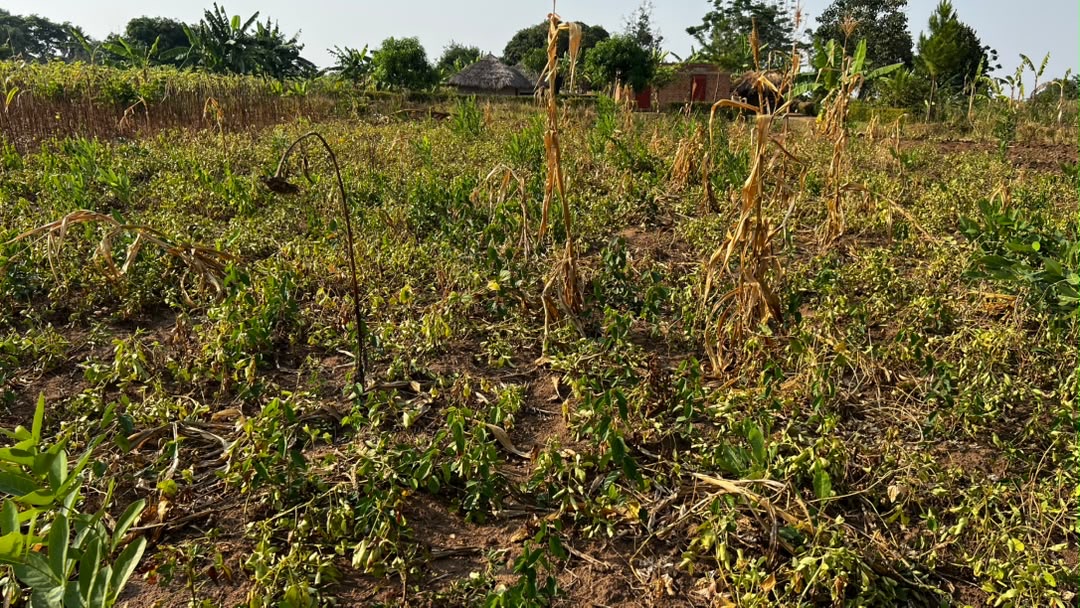
July 2026 assessment findings
What Happened
The food and the income disappeared in the same season.
Households planted in March, expecting groundnuts and sunflower to provide income and maize, beans, cassava, and sweet potatoes to provide food. Residents told our field team that meaningful rain had not fallen locally since February. The crops withered before producing a usable harvest.
For subsistence-farming households, this is a double loss. There is no harvest to eat and no cash crop to sell. Families reported borrowing for food, reducing adult meals, selling livestock, and sending household members elsewhere to search for something to eat.
See the complete 49-household findings →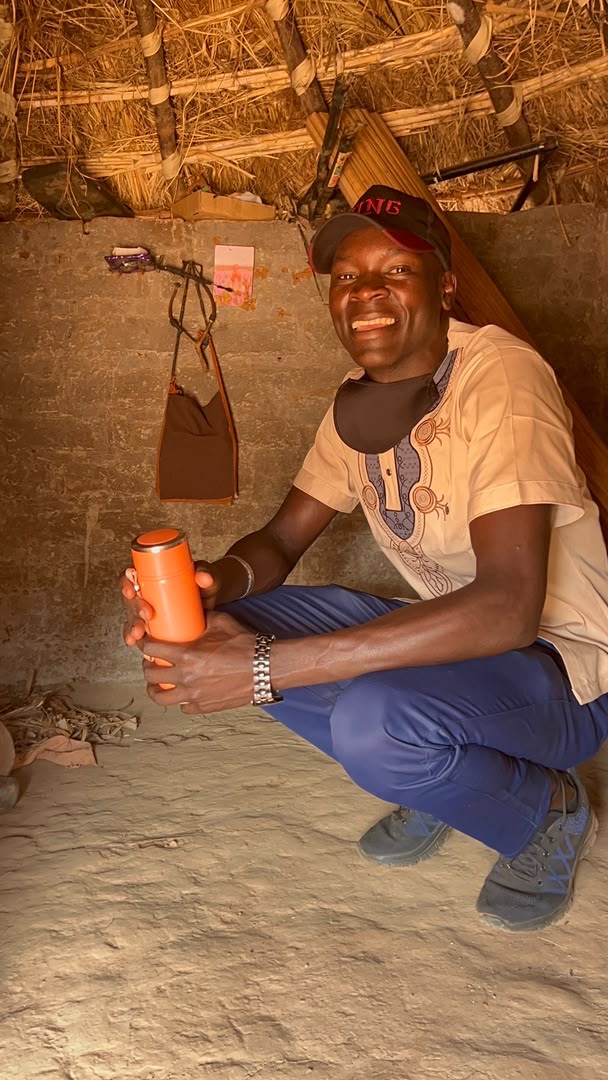
Evidence From the Visit
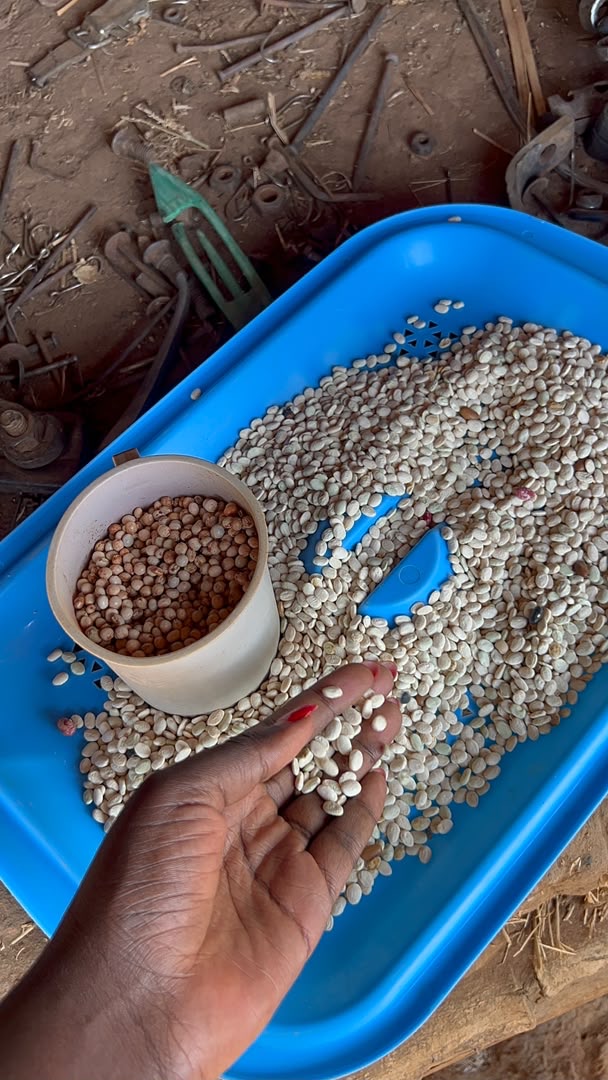
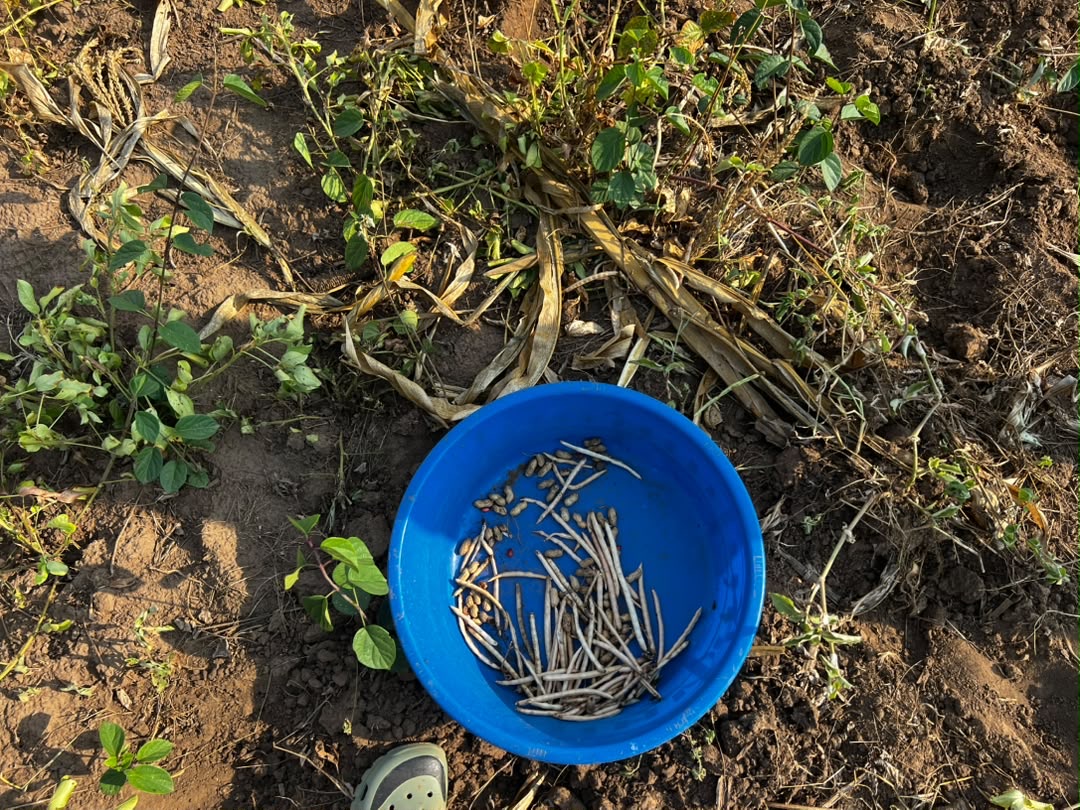
What remained after the crops failed.
The survey measured the pattern across households. These photographs document what our team saw in individual homes and gardens.
The Original Response Plan
A 30-day emergency food bridge.
GVC has delivered food relief following its assessment of 49 households. The original plan was a 30-day staple-food response to help families through the immediate shortage.
The quantities and budget below are the plan published before distribution. They provide a transparent baseline for the close-out reporting that will distinguish planned and actual spending.
Budget also includes bags, sealing, loading, local transport, and necessary banking, tax, and field-lodging costs.
Published Response Budget
The $6,000 target, documented before distribution.
Original 30-day food and distribution budget
Food-price or transportation changes, monitoring, and verified follow-up needs in the affected village
These figures describe the original Kwania response plan, not a new fundraising target or final spending report. The original appeal reserved any remaining funds for verified Kwania food-security and recovery needs.
Accountability
Food relief delivered. Reporting continues.
The next reporting step is to publish the funds received and spent, quantities purchased, households reached, purchase and distribution dates, photographs, budget variances, and follow-up findings.
- Request documented
- 49-household assessment completed
- Response budget published
- Food relief delivered
- Close-out results pending publication
Ongoing Emergency Aid Fund
Help us prepare before the next emergency.
The Kwania food distribution has taken place. The Emergency Aid Fund remains open so GVC can build resources ahead of urgent requests, assess emerging needs, and respond through trusted local relationships.